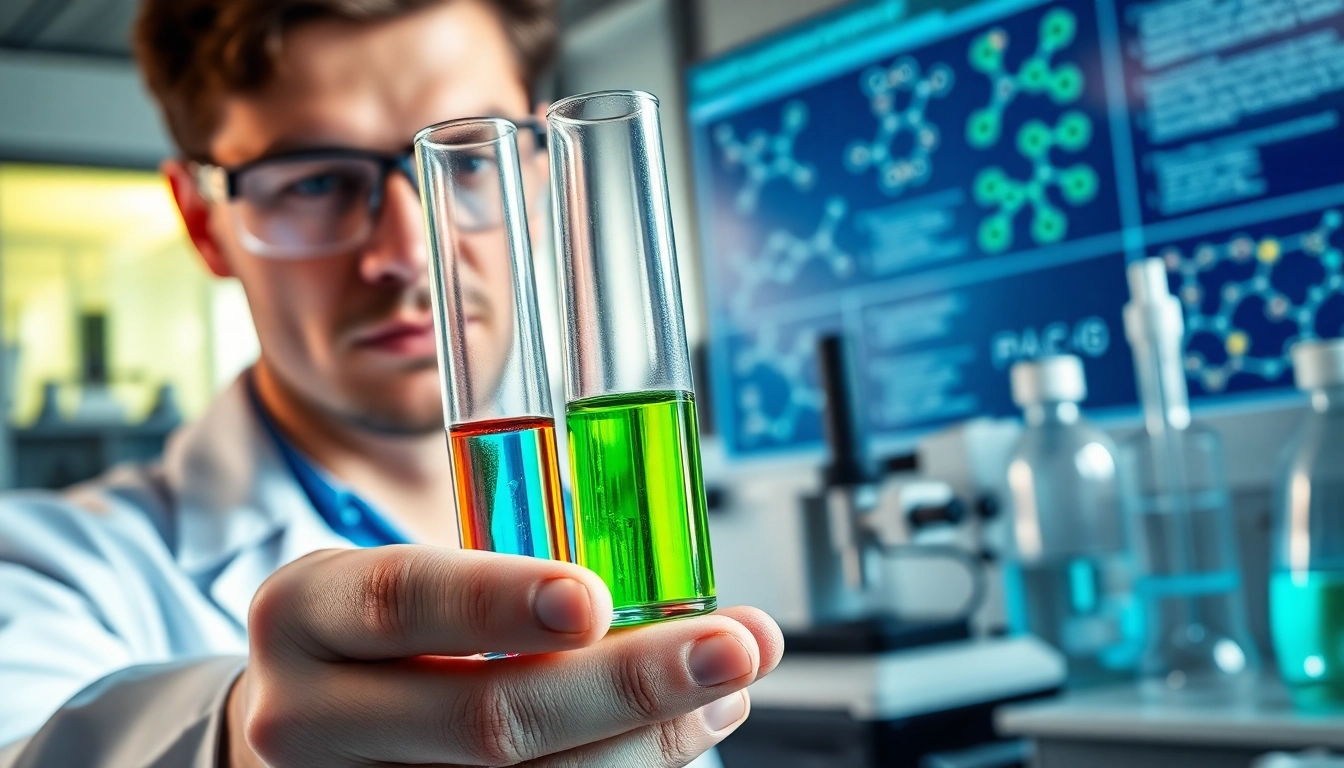
The Fundamentals of Peptides
What are Peptides?
Peptides are short chains of amino acids linked together by peptide bonds, typically consisting of 2 to 50 amino acids. These small but powerful molecules play a crucial role in almost every biological process in the body, from hormonal regulation to immune responses. The structure of peptides allows them to signal and interact with specific receptors, making their functions immensely varied and significant.
In the realm of health and fitness, Peptides have gained considerable attention for their therapeutic potential, particularly in improving muscle growth, recovery, skin health, and metabolic regulation.
How are Peptides Formed?
Peptides are synthesized through a process known as translation, where ribosomes assemble amino acids in a specific sequence dictated by mRNA. This biological process begins with the transcription of DNA to mRNA, which carries the genetic code from DNA to ribosomes. Here, ribosomes read the mRNA, and tRNA (transfer RNA) brings the corresponding amino acids to build the peptide chain until a functional protein is formed.
Outside of the body, peptides can be synthesized artificially using chemical methods, which offers flexibility in designing peptides with specific properties and functions for use in research and therapies.
Types of Peptides and Their Characteristics
Peptides can be classified based on their length, function, and origin. The major categories include:
- Oligopeptides: Typically consist of 2–20 amino acids and play significant roles in signaling.
- Polypeptides: Comprising 21–50 amino acids, these are instrumental in various biological functions.
- Proteins: Larger chains of amino acids (>50) that play a functional role in biological systems.
- Neuropeptides: Functions primarily within the nervous system, acting as neurotransmitters.
- Hormonal peptides: These are involved in the regulation of physiological processes such as growth and metabolism.
Each type of peptide exhibits unique characteristics and interactions, thus making them pivotal in diverse biological and therapeutic applications.
Biological Functions of Peptides
The Role of Peptides in Hormonal Regulation
Hormonal peptides are crucial regulators of various bodily functions, including growth, metabolism, and stress responses. Hormones like insulin, which regulates glucose, and growth hormone-releasing peptides, which stimulate growth hormone secretion, serve as quintessential examples. These peptides are critical to maintaining homeostasis and orchestrating bodily responses to external stimuli.
Peptides in Immune Response
Peptides serve as essential components in the immune system. They can act as signaling molecules that help modulate immune responses or as antigens that stimulate the production of antibodies. For instance, defensins and cathelicidins are peptide-based molecules that play a role in the innate immune system, providing immediate defense against microbial attacks.
Neurological Functions of Peptides
Neuropeptides act as signaling molecules in the nervous system, influencing various physiological functions such as pain perception, stress response, appetite regulation, and emotional responses. For example, substance P is a neuropeptide that transmits pain signals, while endorphins act as natural pain relievers, contributing to feelings of well-being.
Health Benefits of Peptides
Peptides for Muscle Growth and Recovery
Peptides such as growth hormone-releasing peptide (GHRP) and insulin-like growth factor 1 (IGF-1) are extensively researched for their potential to enhance muscle growth and recovery post-exercise. GHRPs stimulate the production of growth hormone, promoting protein synthesis and reducing recovery time.
Studies suggest that incorporating peptide supplementation in conjunction with resistance training can lead to significant improvements in muscle mass and strength when compared to traditional training protocols.
Influence of Peptides on Skin Health
The skincare industry has embraced peptides for their ability to enhance skin repair, hydration, and elasticity. Peptides like palmitoyl pentapeptide-4 have been shown to stimulate collagen production, thus helping to reduce the appearance of fine lines and wrinkles. Furthermore, antimicrobial peptides provide a defense against pathogens and assist in wound healing, making them invaluable in topical formulations.
Peptides in Weight Management
Certain peptides have demonstrated the ability to stimulate fat loss and improve metabolic rates. For example, leptin and ghrelin play paramount roles in hunger regulation and energy balance. By modulating appetite and fat storage, these peptides can be integral in developing weight management strategies, particularly in obesity treatment.
Applications of Peptides in Medicine
Therapeutic Use of Peptides in Treatments
Peptides have found significant therapeutic applications, particularly in managing chronic conditions and diseases. For instance, GLP-1 receptor agonists are utilized in treating type 2 diabetes by improving insulin sensitivity and reducing appetite, whereas peptide-based vaccines are showing promising results in cancer immunotherapies. This demonstrates the expanding role of peptides in modern medicine.
Peptides as Biomarkers in Diagnostics
The use of peptides as biomarkers has improved diagnostic techniques, allowing for earlier and more accurate detection of diseases. By utilizing peptide profiles, clinicians can tailor therapies to individual patient needs. For instance, certain peptides are associated with specific cancers, providing insights for targeted treatments.
Peptide-Based Drug Development
Peptide-based drugs are emerging as a class of therapeutics due to their high specificity and reduced side effects compared to traditional small molecule drugs. The development process typically involves designing and synthesizing peptide sequences that mimic the biological activity of proteins. This innovative approach is revolutionizing therapeutic interventions across multiple medical disciplines.
Future Trends in Peptide Research
Innovative Approaches in Peptide Synthesis
The field of peptide synthesis is experiencing rapid advancements. Techniques such as solid-phase peptide synthesis (SPPS) and recombinant DNA technology allow for more efficient production of peptides. Moreover, the use of artificial intelligence (AI) in predicting peptide behavior and interactions is paving the way for custom peptide development tailored to specific therapeutic needs.
Emerging Applications Across Industries
Beyond healthcare, peptides are finding applications in various fields including agriculture, food technology, and cosmetics. For instance, bioactive peptides derived from food sources are being explored for their health benefits, leading to innovations in functional foods and nutraceuticals.
Challenges in Peptide Research and Development
Despite the promising potentials, peptide research faces challenges such as stability issues, delivery methods, and regulatory hurdles. Research is ongoing to address these challenges, focusing on enhancing peptide stability in biological systems and developing effective delivery mechanisms, such as nanoscale carriers.
Frequently Asked Questions
What are peptides used for?
Peptides are used in various applications, including health supplements, skincare, and pharmaceuticals, impacting muscle growth, skin health, and immune responses.
Are peptides safe to use?
Generally, peptides are considered safe when used under medical guidance. Potential side effects depend on the peptide type and dosage.
How do peptides affect weight loss?
Certain peptides can stimulate fat loss and boost metabolism, making them popular in weight management strategies.
Can peptides improve skin health?
Yes, peptides can enhance skin repair, hydration, and elasticity, making them effective in anti-aging skincare formulations.
How are peptides administered?
Peptides may be administered via injection, topical application, or oral supplements, depending on their intended use.