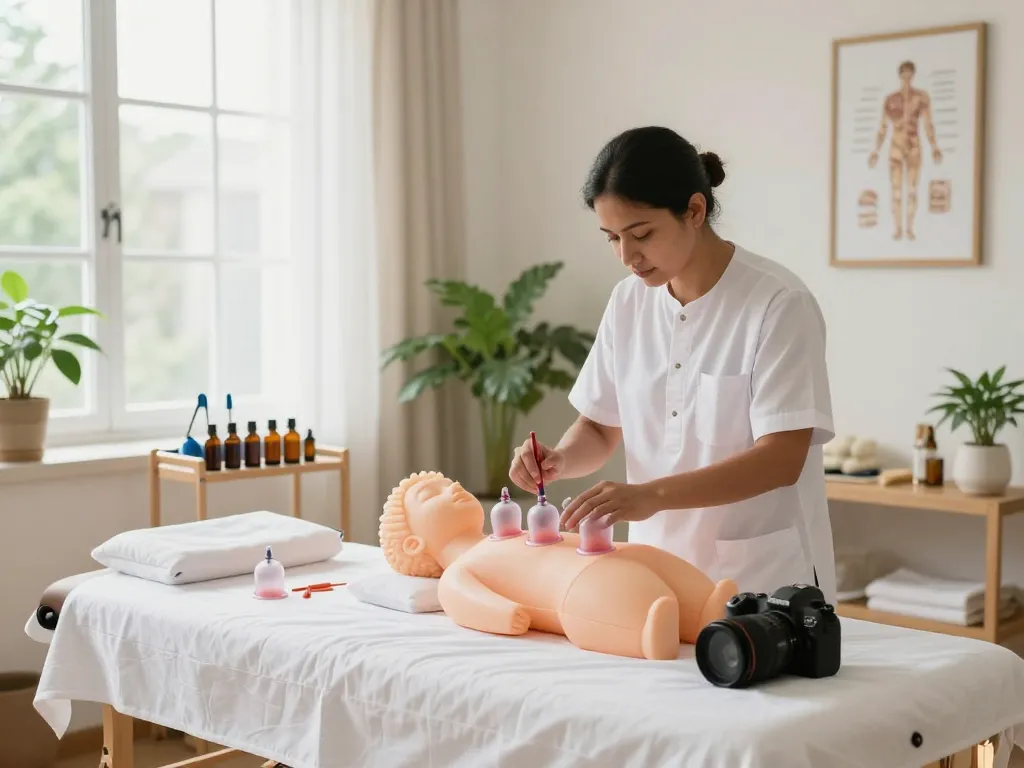
Understanding Hijama Therapy
Hijama, also known as cupping therapy, has gained significant attention in recent years, particularly within the realm of holistic healing. This traditional form of therapy involves creating suction on the skin using cups, which can promote blood flow, relieve pain, and aid in detoxification. As the wellness industry continues to expand, more individuals are seeking knowledge and certification in Hijama, leading to an increased demand for quality training programs. If you’re exploring your options for pursuing a Hijama course UK, it’s essential to understand what Hijama entails and the opportunities it presents.
What is Hijama and Its Historical Significance?
Hijama has a rich history, dating back thousands of years, with roots in ancient Egyptian, Greek, and Chinese medicine. Historically, spiritual leaders and healers utilized cupping therapy to treat a variety of ailments, ranging from pain management to respiratory conditions. The practice is grounded in the belief that it not only addresses physical health but also emotional and spiritual well-being. As such, Hijama is often viewed as a holistic approach to health, integrating the mind, body, and spirit.
The Science Behind Cupping Therapy
Modern science has begun to explore the mechanisms behind Hijama, particularly its physiological effects on the body. When cups are applied to the skin, they create a vacuum that pulls blood vessels upward, leading to increased circulation in the treated area. This enhanced blood flow can facilitate healing, reduce inflammation, and improve the body’s natural detoxification processes. Additionally, many practitioners assert that the release of stagnant energy and toxins during a Hijama session contributes to overall health and vitality.
Benefits of Hijama for Holistic Healing
The benefits of Hijama therapy extend beyond mere physical healing. Practitioners report various positive outcomes, which may include:
- Relief from chronic pain, including headaches and backaches
- Improved respiratory function, aiding conditions like asthma
- Enhanced recovery from sports injuries
- Boosted immune system function
- Stress reduction and promotion of relaxation
Many individuals who undergo Hijama therapy often express a heightened sense of well-being, making it an appealing option for those seeking alternative treatment methods.
Choosing the Right Hijama Course UK
As the interest in Hijama therapy escalates, the availability of training programs has significantly increased. However, not all courses are created equal. Choosing the right Hijama course is crucial for aspiring practitioners to ensure they receive quality education and training. Here are some key factors to consider when selecting a program.
Types of Hijama Courses Available
Various Hijama courses cater to different skill levels and learning preferences. These may include:
- Beginner Courses: Designed for those new to Hijama, these courses typically cover the fundamentals, including theory and basic techniques.
- Advanced Courses: For practitioners looking to deepen their knowledge, advanced courses may offer specialized techniques and in-depth anatomy.
- Online Courses: With the rise of digital learning, many institutions now offer online Hijama courses, making it accessible to students regardless of location.
- Distance Learning Programs: These programs allow students to learn at their own pace while providing access to practical sessions at designated locations.
Accreditation and Certification Importance
One of the most crucial aspects of selecting a Hijama course is ensuring that the program is accredited. Accreditation guarantees that the course meets specific educational standards and that the certification you receive will be recognized in the professional field. Look for programs accredited by reputable organizations, as this enhances your credibility as a practitioner.
Factors to Consider When Selecting a Training Provider
When choosing a Hijama course, consider the following:
- Instructor Qualifications: Verify the qualifications and experience of the instructors leading the course.
- Course Curriculum: Ensure the curriculum covers essential topics, including anatomy, techniques, safety protocols, and ethical considerations.
- Hands-On Experience: Opt for courses that offer practical sessions, allowing you to practice the skills you’ve learned.
- Student Reviews: Research past student testimonials and success rates to gauge the effectiveness of the training provider.
Comprehensive Curriculum of Hijama Training
A robust Hijama course will typically encompass a variety of subjects designed to equip students with the knowledge and skills necessary to become effective practitioners. Here are some core subjects commonly covered in Hijama training programs.
Core Subjects Covered in Hijama Courses
The curriculum will likely include the following:
- History and Philosophy: Understanding the origins of Hijama and its theoretical foundations.
- Anatomy and Physiology: Learning about the human body’s systems, particularly how cupping affects them.
- Hijama Techniques: Instruction on various cupping methods and how to apply them safely.
- Health and Safety Protocols: Best practices to ensure the safety of both the practitioner and client.
Hands-On Practice and Mentorship Opportunities
Hands-on practice is vital in Hijama courses, as it allows students to refine their techniques under the guidance of experienced instructors. Many programs also offer mentorship opportunities, where students can shadow practicing therapists to gain real-world insights and feedback.
Assessment and Certification Process Explained
Upon completion of the course, most programs will require students to pass an assessment to demonstrate their knowledge and skills. This process may involve practical exams, written tests, or case studies. Successfully passing these assessments leads to certification, granting students the credentials necessary to begin their careers as certified Hijama practitioners.
Building a Career as a Hijama Therapist
As the demand for holistic health solutions continues to grow, pursuing a career in Hijama therapy can be a rewarding choice. Understanding the market demand and potential earnings is vital for aspiring therapists.
Understanding Market Demand for Hijama Practitioners
The UK has seen a rising interest in alternative therapies, including Hijama, as more people seek natural and holistic health solutions. As such, the market demand for qualified practitioners is expected to increase. Many clinics and wellness centers are actively looking for trained Hijama therapists, presenting numerous job opportunities.
Potential Earnings and Career Growth in the UK
The earnings potential for Hijama therapists varies based on experience, location, and client base. On average, Hijama therapists in the UK can earn between £18 to £20 per hour. With experience, this figure can rise significantly. Additionally, self-employed practitioners have the potential to earn more, depending on their appointment rates and clientele.
Establishing Your Hijama Therapy Practice
For those considering opening their own practice, several factors will contribute to a successful business:
- Business Plan: Develop a comprehensive business plan that outlines your services, target market, and financial projections.
- Marketing Strategies: Utilize online platforms and local advertising to attract clients.
- Client Relationships: Cultivating strong relationships with clients is essential for repeat business and referrals.
Future Trends in Hijama Therapy for 2026 and Beyond
As we look toward the future, several emerging trends could significantly impact Hijama therapy and its practice.
Emerging Research and Techniques in Cupping Therapy
With ongoing research into the benefits and techniques of cupping therapy, practitioners can expect to see new methods and applications evolving. Keeping abreast of these developments is crucial for maintaining effective practices.
Integration of Hijama into Modern Healthcare Practices
As more healthcare professionals recognize the benefits of alternative therapies, Hijama may increasingly be integrated into conventional healthcare settings. Collaborative practices between traditional and alternative medicine could provide comprehensive care to patients.
Continuous Learning: Staying Ahead in Hijama Therapy
To remain competitive in the field, Hijama therapists should engage in continuous education and professional development. Attending workshops, conferences, and further training will help practitioners stay current with best practices and innovations in the field.
How to Become a Certified Hijama Practitioner?
Becoming a certified Hijama practitioner typically involves completing an accredited course, passing assessments, and gaining practical experience. Ongoing education and training are essential for maintaining certification.
What is the Average Salary for Hijama Therapists in the UK?
On average, Hijama therapists in the UK can expect to earn between £18 to £20 per hour, with significant potential for increased income as they gain experience and build their client base.
What is the Duration of a Typical Hijama Course?
Most basic Hijama courses take approximately 6 to 7 hours to complete, while advanced courses may require additional hours of training, including hands-on practice.
Do You Need a License to Practice Hijama?
In the UK, practitioners are often required to be licensed as sort of complementary therapy provider, which can include being a licensed massage therapist.
Where Can You Find Hijama Courses Near You?
To find Hijama courses, consider researching local wellness centers, clinics, and accredited online programs. Many institutions now offer flexible learning options, making it easier for students to access quality training regardless of their location.