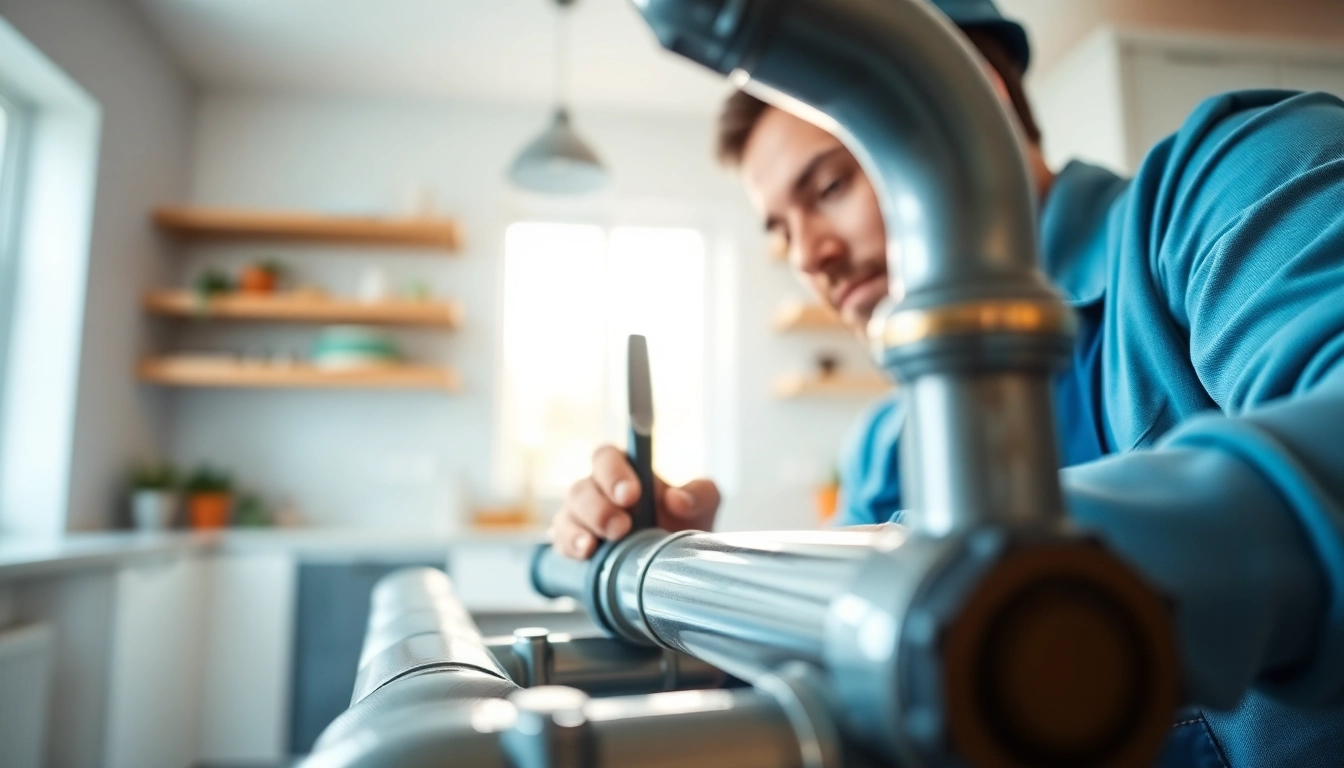
- The Importance of Whole House Repiping Services in St Petersburg FL
- Types of Piping Materials Used in Whole House Repiping Services St Petersburg FL
- The Whole House Repiping Process Explained
- Cost Factors for Whole House Repiping Services St Petersburg FL
- Maintenance Tips Post-Repiping Services
- FAQs
The Importance of Whole House Repiping Services in St Petersburg FL
Whole house repiping is a critical service for maintaining the integrity of your plumbing system. As homes age, piping materials can degrade, leading to leaks, water quality issues, and costly repairs. If you’ve noticed water discoloration, low water pressure, or frequent leaks, it may be time to consider the whole house repiping services St Petersburg FL. This comprehensive procedure involves replacing all of the plumbing within a home, ensuring that you have safe, efficient, and reliable water delivery throughout your living space.
Understanding the Need for Repiping
Piping systems are not designed to last indefinitely; they typically have a lifespan based on the material used. For example, older homes may have galvanized steel pipes that can corrode over time, leading to leaks and reduced water quality. Modern homes now utilize materials like PEX and copper due to their durability and resistance to corrosion. Understanding the timeline and the factors contributing to your home’s plumbing needs is essential in determining whether a repiping service is necessary.
Signs Your Home Needs Repiping
There are several indicators that your home may require repiping:
- Frequent Leaks: If you’re constantly repairing leaks, it’s a sign that your pipes are failing.
- Discolored Water: Rusty or brown water indicates corrosion within the pipes.
- Low Water Pressure: A sudden drop in pressure can suggest blockages or damaged pipes.
- Water Stains: Visible signs of water damage on walls or ceilings may point to hidden leaks.
- Old Pipes: If your home has aging materials like galvanized steel, it may be time to consider an upgrade.
Benefits of Professional Repiping Services
Investing in professional wholе house repiping services comes with numerous benefits:
- Improved Water Quality: New pipes eliminate the risk of contaminants infiltrating your water supply.
- Enhanced Water Pressure: Enjoy consistent and adequate water pressure throughout the home.
- Increased Property Value: Modern and efficient plumbing systems can enhance your home’s market worth.
- Long-Term Cost Savings: Reducing leaks and issues leads to lower repair costs and water bills over time.
Types of Piping Materials Used in Whole House Repiping Services St Petersburg FL
Copper Piping: Durability and Versatility
Copper piping remains a top choice for repiping due to its durability, longevity, and resistance to corrosion. Copper pipes can withstand high temperatures and pressure, making them suitable for both hot and cold water supply lines. Additionally, copper is naturally antimicrobial, helping to keep water clean and safe for consumption. However, the initial cost of copper can be higher compared to other materials.
PEX Piping: A Modern Solution for House Repiping
PEX (cross-linked polyethylene) is a leading option for residential plumbing due to its flexibility and ease of installation. It can be snaked into walls without requiring numerous fittings, which reduces the potential for leaks. PEX is resistant to scale and chlorine, minimizing the risk of corrosion. Its durable nature offers a solution for repiping in various climates. However, PEX cannot be used outdoors as it degrades under UV light.
CPVC vs. PVC: Which is Right for You?
CPVC (chlorinated polyvinyl chloride) and PVC are both popular plastic piping options. CPVC can handle hot and cold water, making it versatile for residential plumbing needs. It is also resistant to scaling and corrosion. PVC, on the other hand, is primarily used for drainage, waste, and venting systems. When choosing between the two, consider the specific needs of your plumbing system, as well as local regulations governing residential pipe materials.
The Whole House Repiping Process Explained
Initial Inspection and Assessment
The repiping process begins with a comprehensive inspection of your current plumbing system. A qualified plumber will assess the condition of your pipes, analyze water pressure, and identify any visible signs of damage. This assessment is crucial for understanding the extent of the problem and determining the best course of action for your home’s repiping needs.
Planning and Preparation Steps
Once the initial assessment is completed, the next step involves planning. This phase includes selecting the appropriate materials and designing the new plumbing layout. Homeowners should engage in discussions regarding their water usage habits and preferences, as these factors influence the design. Advance preparation, such as obtaining any necessary permits, is also essential at this stage.
Execution: What to Expect During Repiping
The execution of a repiping project typically involves shutting off the water supply, removing old pipes, and installing new ones. During this process, homeowners can expect some disruption to their daily routines, as areas of the home may be off-limits. However, professional plumbers strive to complete the work efficiently, ensuring that you can return to normalcy as quickly as possible. Proper cleanup and restoration of affected areas are also part of a reputable plumbing service.
Cost Factors for Whole House Repiping Services St Petersburg FL
Understanding Average Costs
The average cost of repiping a home can vary significantly depending on factors such as the size of the home, the material chosen, and the complexity of the plumbing system. Homeowners can expect to spend anywhere from a few thousand dollars to more than ten thousand for extensive repiping services. It is crucial to obtain a detailed estimate from a qualified contractor to understand the anticipated costs accurately.
Factors Affecting Repiping Costs
Several factors can influence the overall cost of repiping:
- Size of the Home: Larger homes require more materials and labor, increasing the project cost.
- Pipe Material: Choosing high-end materials like copper will typically cost more than PEX or PVC.
- Labor Costs: The region’s labor market can also affect installation costs.
- Existing Conditions: If there are issues like mold or extensive water damage, repair work will add to the total cost.
- Accessibility: Hard-to-reach areas in a home can complicate installation and increase labor time.
Budgeting for Your Repiping Project
Effective budgeting requires careful consideration of all associated costs outlined in the estimate. Homeowners should allocate funds not only for the pipes and installation but also for potential plumbing upgrades, structural repairs, and cleanup. It is wise to add a contingency in your budget for unforeseen expenses. Furthermore, obtaining multiple quotes from different professionals can help ensure that you’re getting the best value for your investment.
Maintenance Tips Post-Repiping Services
How to Care for Your New Pipes
Proper care after repiping is essential for maximizing the lifespan of your new plumbing system. Here are some key maintenance tips:
- Regular Inspections: Schedule regular inspections to catch any potential issues early.
- Keep an Eye on Water Pressure: Sudden changes in water pressure can indicate underlying plumbing issues.
- Beware of Clogs: Be cautious about what goes down your drains to avoid blockages.
- Use Gentle Cleaners: Avoid harsh chemicals that can corrode pipes over time.
Signs of Potential Issues After Repiping
Even after repiping, homeowners should remain vigilant for signs of plumbing issues, including:
- Leaks: Watch for any damp spots or water stains, which can indicate a failure in the new pipes.
- Unusual Noises: Gurgling or hissing sounds may signal air in the pipes or improper drainage.
- Persistent Backups: Regularly experienced backups might point to a problem in the plumbing system.
When to Schedule Follow-Up Inspections
Scheduled follow-up inspections can help ensure your new plumbing system continues to function optimally. It’s generally advisable to schedule a follow-up inspection within six months of repiping and then annually thereafter. However, if you notice any of the problematic signs listed above, don’t hesitate to contact a plumbing professional for an inspection sooner.
FAQs
What is the average lifespan of residential plumbing pipes?
Most pipes last between 20-50 years, depending on the material. Copper and PEX are typically at the higher end of that range.
How long does the repiping process take?
The repiping process can take anywhere from one to several days, depending on the size of your home and the complexity of the plumbing system.
Will my water service be interrupted during repiping?
Yes, expect some disruption. Water service may be halted during installation, but professionals aim to minimize inconvenience.
Can I stay in my home during repiping?
While it’s often possible to remain at home, some homeowners may prefer to stay elsewhere for comfort during the project.
Is financing available for repiping projects?
Many plumbing companies offer financing options. Check with your service provider for available payment plans and options.