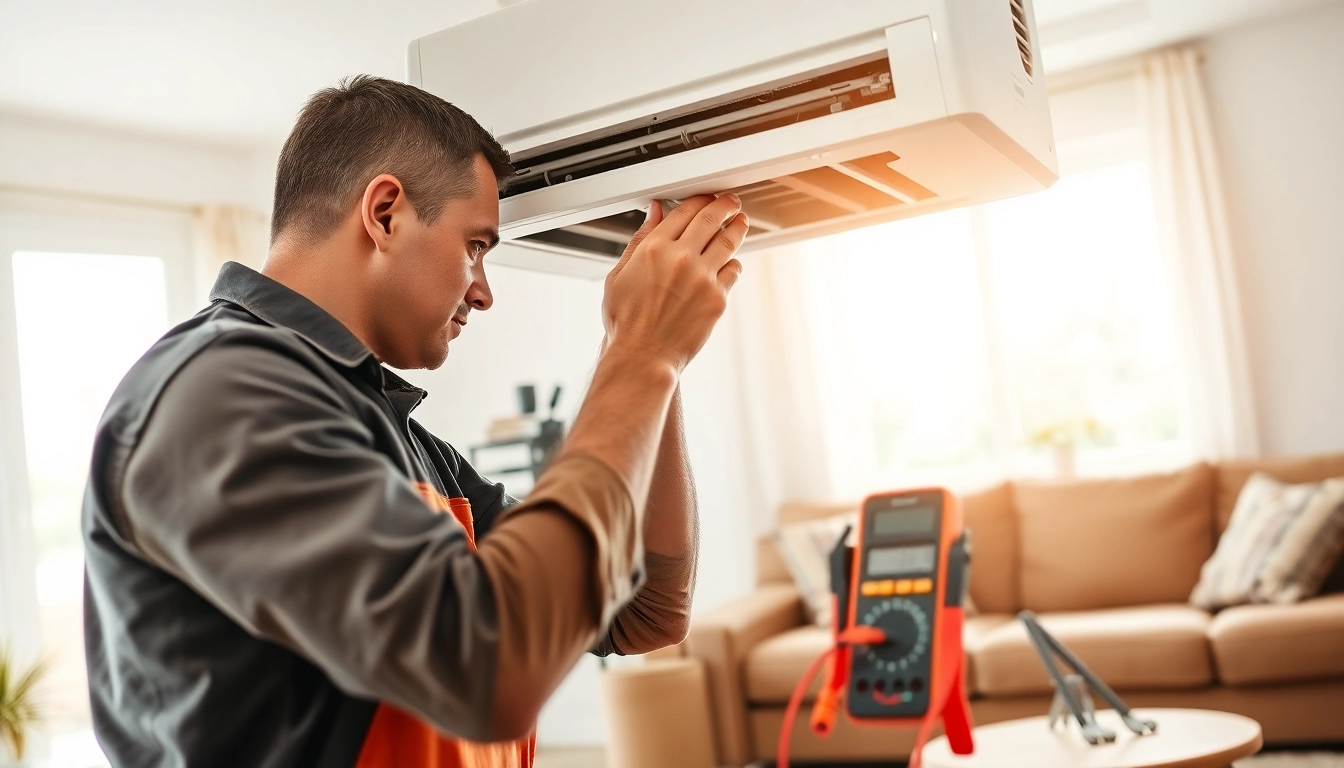
Understanding Air Conditioning Systems
Air conditioning systems play a crucial role in maintaining comfort in residential and commercial spaces, especially in areas with extreme heat. This article will explore the intricacies of these systems, provide insights into common repair signs, and help you choose the right Air Conditioning Repair Tampa services. We aim to equip you with knowledge and practical tips to ensure your AC unit operates efficiently and effectively.
The Anatomy of an AC Unit
An air conditioning unit is a complex integration of components that work together to cool indoor air. Understanding its anatomy can help you identify issues more accurately.
- Compressor: Often referred to as the heart of the AC, the compressor compresses the refrigerant, raising its temperature and pressure before circulating it through the system.
- Condenser Coil: Located outside, the condenser cools the refrigerant that has been heated up by the compressor, releasing heat into the outside air.
- Evaporator Coil: Found indoors, this coil absorbs heat from the indoor air, cooling it before it circulates back into the room.
- Expansion Valve: This valve regulates the flow of refrigerant into the evaporator, ensuring that the system operates efficiently.
- Air Filter: Essential for maintaining air quality, the filter traps dust, allergens, and debris to ensure proper airflow.
Common Terminologies in Air Conditioning
Familiarizing yourself with common HVAC terminologies can simplify communication with technicians and aid in understanding operational issues. Key terms include:
- BTU (British Thermal Unit): The unit of measurement for heat; it indicates the cooling capacity of an AC unit.
- SEER (Seasonal Energy Efficiency Ratio): A measure of the energy efficiency of an AC unit over a typical cooling season.
- Refrigerant: The fluid circulating through the system, absorbing and removing heat.
- Ductwork: A network of tubes that distribute cooled (or heated) air throughout a building.
- Thermostat: A device that regulates the temperature of your home by controlling the AC unit’s operation.
How Air Conditioners Work
The basic function of air conditioning systems is to transfer heat from the indoors to the outdoors, thus cooling the indoor space. The cycle begins with the compressor pumping the refrigerant into the condenser coils. Here, the refrigerant releases its heat, converting from gas to liquid. Next, the refrigerant travels to the expansion valve, where it pressure drops, entering the evaporator coils as a low-pressure liquid. Inside the evaporator, it absorbs heat from the air, which causes the refrigerant to change back to gas. This cooled air is then blown into the indoor space, completing the cycle.
Signs You Need Air Conditioning Repair Tampa
Regular maintenance can prolong the lifespan of your AC, but sometimes, repairs are unavoidable. Awareness of the warning signs can help you act promptly.
Unusual Noises from Your AC
While all ACs produce some noise, sudden or unusual sounds often signal problems. Common distress sounds include:
- Banging: Could indicate loose or broken components.
- Hissing: May suggest a refrigerant leak.
- Buzzing: Often points to electrical issues or a failing compressor.
Inconsistent Cooling Performance
If certain rooms remain warm despite the AC running, this inconsistency may indicate blocked ducts, a failing thermostat, or refrigerant issues. While it’s normal for temperatures to vary somewhat, significant discrepancies warrant professional assessment.
Increased Energy Bills
A sudden spike in energy bills can often be attributed to an inefficient air conditioning system. If your unit struggles to maintain the desired temperature, it will consume more energy, leading to higher costs. Regular efficiency checks can pinpoint issues before they worsen.
Choosing the Right Air Conditioning Repair Service
An essential part of ensuring your air conditioning system operates smoothly is choosing a reliable repair service. Here’s what to consider.
Evaluating Credentials and Experience
When searching for an AC repair technician, check their credentials. Ensure they are licensed, insured, and carry relevant certifications. Look for technicians with substantial experience in dealing with various air conditioning systems. Experience helps in accurately diagnosing and fixing problems efficiently.
Reading Customer Reviews
Customer reviews provide insights into a repair service’s reliability, work quality, and professionalism. Platforms like Google or Yelp can offer valuable feedback from previous customers, helping you make informed choices.
Getting Estimates and Quotes
Obtaining quotes from several different companies gives you a comprehensive understanding of fair pricing. Beware of unusually low estimates, as they may indicate sub-par service quality. Look for detailed quotes that explain the costs involved.
Preparing for Your Air Conditioning Repair Tampa Appointment
Cleaning Around Your AC Unit
Before the technician arrives, clear any debris or obstructions around your outdoor unit. Ensure there’s clear access to the indoor unit as well. This attention to detail facilitates a more efficient inspection and repair process.
What to Discuss with Your Technician
When the technician arrives, be prepared to discuss any observed issues. Provide details about when problems arise, unusual sounds, and any recent changes to your energy bills. This information can aid in quicker diagnosis and repairs.
Understanding the Repair Process
Maintaining Your AC After Repair
Regular Maintenance Tips
Signs of Future Problems
When to Schedule Routine Check-Ups
FAQs About Air Conditioning Repair Tampa
What are common signs my AC needs repairs?
Common signs include unusual noises, inconsistent cooling, and increased energy bills. If you notice these issues, it’s best to consult a professional.
How often should I service my air conditioner?
It’s advisable to service your AC unit at least once a year, ideally before the cooling season begins, to enhance efficiency and prolong lifespan.
Can I troubleshoot my air conditioner myself?
Some minor issues, like changing filters or cleaning debris, can be DIY. However, for complex problems, it’s best to consult a qualified technician.
How much does air conditioning repair typically cost?
The cost varies based on the problem’s nature, complexity, and required parts. Request quotes from several technicians to gauge fair pricing.
When should I replace my air conditioning unit?
If your unit is over 10-15 years old and requires frequent repairs, it may be more cost-effective to replace it rather than continue repairing.