Understanding the Veranda Configurator
In an age where personalization is paramount, the Veranda configurator emerges as a transformative tool for homeowners and businesses alike. This innovative software allows users to create customized veranda designs that align perfectly with their tastes and functional needs. By leveraging advanced technology, users can visualize their ideas in real-time, making the design process not only simpler but also more engaging.
What is a Veranda Configurator?
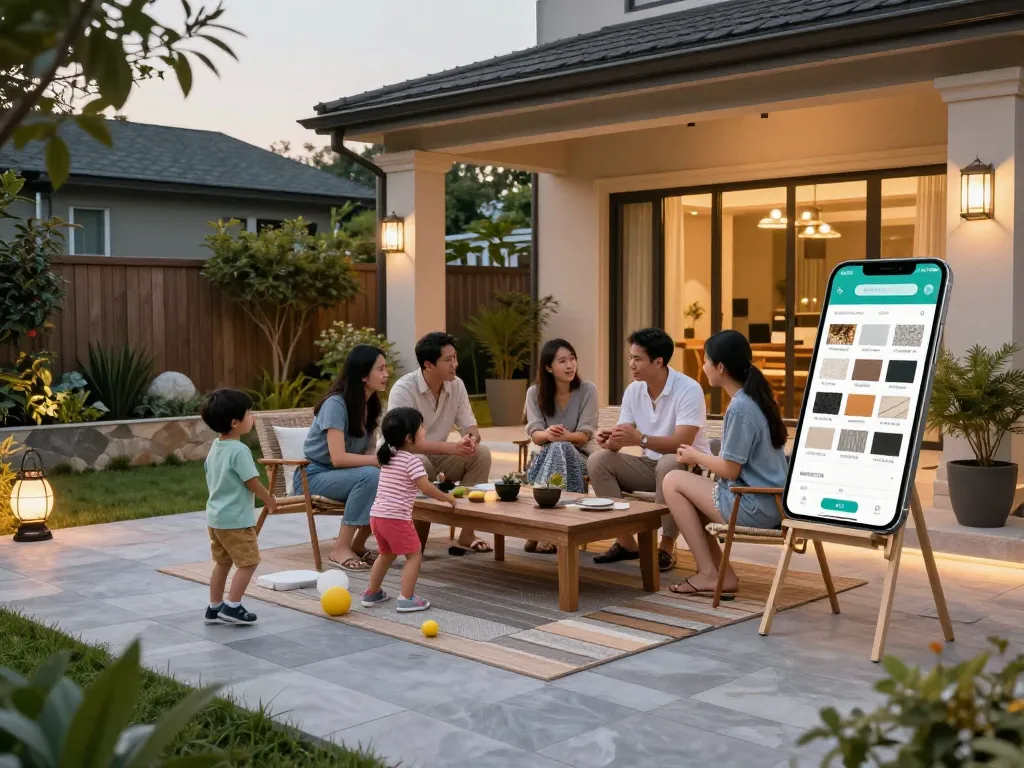
A veranda configurator is a specialized software application that enables users to design and customize verandas based on specific preferences. Rather than relying on traditional, static designs, this tool offers a dynamic interface where users can manipulate various elements of the veranda, including size, shape, materials, and colors. This level of customization empowers homeowners to create a space that truly reflects their lifestyle and aesthetic preferences.
Key Features of a Modern Veranda Configurator
- User-Friendly Interface: Modern configurators are designed with intuitive interfaces, ensuring that even those with minimal tech skills can navigate the system effortlessly.
- Real-Time 3D Visualization: Users can see their design come to life in 3D, allowing for immediate visual feedback on changes made during the design process.
- Material Selection: Offers a range of materials (wood, aluminum, glass) to choose from, ensuring durability and aesthetic appeal.
- Augmented Reality: Some configurators integrate AR technology to help visualize how the veranda will look in the actual outdoor space.
- Instant Pricing: Users receive real-time cost estimates based on their selections, facilitating better budgeting during the design process.
Importance of Customization in Outdoor Spaces
Customization is crucial in outdoor design because it allows homeowners to tailor their spaces to meet their specific needs. A well-designed veranda can enhance the functionality of an outdoor area, creating a perfect backdrop for relaxation, entertainment, or family gatherings. Moreover, customization reflects the homeowner’s personality and style, making the outdoor space a true extension of their home. As trends shift towards more personalized living environments, the demand for tools like veranda configurators has surged.
Benefits of Using a Veranda Configurator
Streamlined Design Process for Homeowners
The process of designing a veranda can often be overwhelming, particularly for those without design experience. A veranda configurator simplifies this journey by guiding users through each step, ensuring they consider essential elements like size and functionality. By offering templates and design suggestions, these tools help homeowners make informed choices without feeling overwhelmed.
Enhanced Customer Engagement and Satisfaction
For businesses, utilizing a veranda configurator can significantly enhance customer engagement and satisfaction. Customers appreciate being able to visualize their options and make adjustments according to their preferences, leading to a more personalized service experience. This engagement not only fosters trust but also builds long-term customer relationships.
Real-Time Visualization and Adjustments
One of the standout features of a veranda configurator is its real-time visualization capability. This allows users to make immediate changes and see how those changes affect the overall design. Such functionality is invaluable for ensuring that the final product meets customer expectations. Additionally, it minimizes misunderstandings and reduces the likelihood of needing extensive revisions later in the project.
Choosing the Right Materials and Styles
Popular Materials for Verandas in 2026
As we move through 2026, several materials are emerging as popular choices for veranda construction:
- Aluminum: Lightweight, durable, and resistant to rust, aluminum is a favorite for modern designs.
- Composite Wood: Combines the aesthetics of wood with the durability of synthetic materials, making it a great eco-friendly option.
- Glass: Increasingly used for its ability to create an open and airy atmosphere while providing protection from the elements.
- Timber: Traditional and versatile, timber remains a popular choice for its natural beauty and warm appeal.
Design Trends: From Modern to Rustic
Design trends are constantly evolving, and 2026 is no exception. Some trending styles include:
- Modern Minimalism: Clean lines, open spaces, and a focus on functionality define this trend.
- Rustic Charm: This style incorporates natural materials, vintage finishes, and a cozy atmosphere.
- Biophilic Design: Emphasizing connection with nature, this trend integrates natural elements into the design.
Incorporating Eco-Friendly Practices
As sustainability becomes increasingly important, more homeowners are considering eco-friendly options when designing their verandas. Using sustainable materials, implementing efficient drainage systems, and integrating solar panels are just a few strategies that can reduce the environmental impact of veranda constructions.
Common Challenges in Veranda Design
Addressing Client Concerns Effectively
Even with the advantages of a veranda configurator, challenges in client communication can arise. It’s crucial to actively listen to clients’ concerns and address them promptly. Providing options and alternatives through visual aids can help alleviate anxiety and build confidence in their decisions.
Balancing Aesthetics and Functionality
Finding the right equilibrium between aesthetics and functionality is often one of the most challenging aspects of veranda design. While homeowners may desire a striking design, it’s essential that the practical use of the space is not compromised. This is where a configurator can assist, as it allows users to visualize various configurations that prioritize both elements.
Dealing with Permits and Regulations
Understanding local building regulations is vital when designing a veranda. A configurator can often provide insights or recommendations about compliance, helping users navigate the various requirements that may apply to their designs. This information can save time and prevent potential legal issues down the line.
Future of Veranda Configurators
Emerging Technologies in Outdoor Design
As technology continues to advance, we can expect the capabilities of veranda configurators to expand substantially. Features like AI-driven design suggestions and enhanced augmented reality integrations will offer users even more personalized experiences. These advancements will allow for greater creativity and efficiency in the design process.
Predictions for the Industry by 2026
Looking ahead, the veranda design industry is anticipated to witness significant growth. With increasing consumer demand for customized spaces, businesses adopting configurators will likely find themselves at a competitive advantage. The integration of innovative technologies will facilitate more efficient designs and lead to higher customer satisfaction rates.
Consumer Trends Shaping the Future of Home Customization
Consumer preferences are shifting towards personalized, functional outdoor spaces that cater to their specific lifestyles. Trends such as remote working have increased the desire for outdoor areas that serve multiple purposes—relaxation, work, and entertainment. Veranda configurators are at the forefront of this movement, providing the tools necessary to meet these evolving needs effectively.
What are the advantages of a veranda configurator?
A veranda configurator streamlines the design process, enhances customer engagement, and provides real-time visualization, making it easier for homeowners to create their dream outdoor spaces.
How do I design a veranda using a configurator?
To design a veranda using a configurator, start by selecting your base design, then customize dimensions, materials, and styles according to your preferences. Utilize real-time visualization features to make adjustments as needed.
What materials work best for verandas?
Popular materials for verandas include aluminum, composite wood, glass, and timber, each offering unique benefits in terms of durability and aesthetics.
Can a veranda configurator help with compliance to regulations?
Yes, many configurators provide information on local building codes and regulations, helping users ensure their designs are compliant with necessary permits.
What are the latest trends in veranda design?
Current trends include modern minimalism, rustic charm, and biophilic design, all emphasizing connectivity with nature and functional aesthetics.