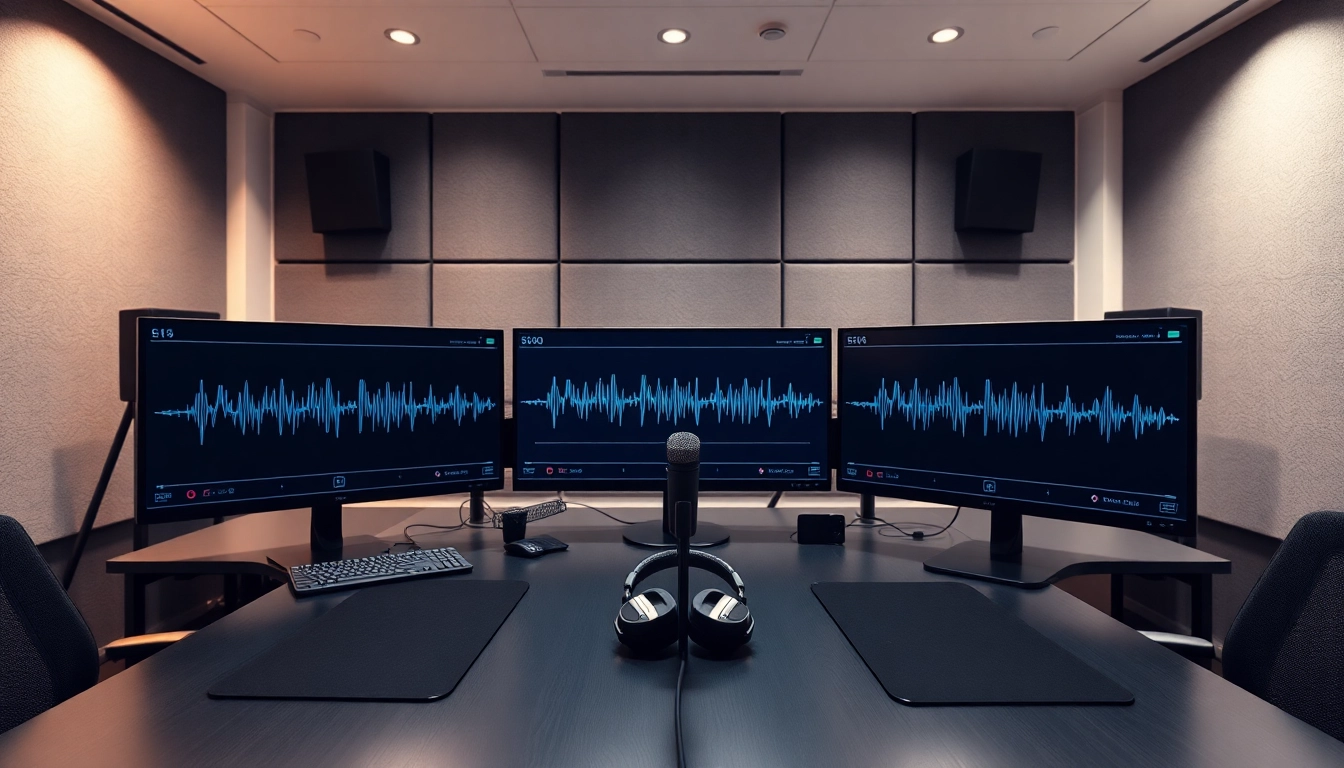
Understanding the Basics of Call Recording
What is Call Recording?
Call recording is the process of capturing and storing voice conversations between two or more parties during a telephone conversation. This technology can capture phone calls made over traditional telephone lines as well as digital and mobile communications. Call recordings are typically used for various purposes, including improving customer service, ensuring compliance with regulatory requirements, and training employees. The latest systems often come with automated features for transcription and analytics, making it easier for businesses to derive valuable insights from recorded calls.
Importance of Call Recording in Business
In today’s competitive landscape, businesses leverage every available resource to enhance customer experience and operational efficiency. Implementing call recording systems plays a critical role in achieving these goals. By maintaining a record of interactions, organizations can ensure better service accountability, provide effective training resources, and enhance performance management. Furthermore, monitoring calls helps identify customer needs and concerns, which can inform product development and marketing strategies. Companies also use call recordings to gather crucial data that can improve their overall business operations.
Call Recording Technologies Overview
Various technologies power modern call recording systems, including VoIP (Voice over Internet Protocol), cloud storage solutions, and advanced software applications. VoIP systems allow businesses to record calls digital, ensuring high-quality audio capture. Cloud-based call recording solutions provide seamless integration with existing software and enable remote access to recorded conversations. Moreover, advanced analytics and AI technologies enhance the capabilities of call recording systems by offering functionalities such as sentiment analysis and keyword tracking, enabling businesses to understand customer interactions better. Companies looking for reliable call recording solutions can explore options that fit their needs by visiting call recording websites and providers.
Legal Considerations in Call Recording
Understanding Consent Requirements
One of the pivotal aspects surrounding call recording involves understanding consent requirements. The legality of recording conversations depends on the regulations of the region where the recording takes place. In many cases, obtaining consent from one or all parties involved in the conversation is necessary. In jurisdictions that require all-party consent, failing to inform participants about the recording can lead to legal repercussions. Thus, it is critical for businesses to be aware of local laws and regulations regarding call recording to avoid potential legal issues.
Regulations across Different Regions
Call recording regulations vary widely across different countries and regions. For instance, in the United States, individual states set their own laws regarding consent. Some states allow one-party consent, meaning only one participant needs to agree to the recording, while others mandate that all parties involved must consent. In contrast, countries within the European Union are governed by the General Data Protection Regulation (GDPR), which requires a clear legal basis for processing personal data, including recorded conversations. Businesses operating in various jurisdictions should conduct thorough research on applicable regulations to ensure compliance.
Best Practices for Compliance
To maintain compliance with call recording laws, companies should establish clear policies and procedures. These may include informing all parties about the recording, obtaining explicit consent, and implementing data protection measures to secure recorded audio files. For organizations operating across multiple regions, it’s important to have a unified policy that accommodates diverse regulatory requirements. Additionally, regular training sessions can help employees understand their responsibilities regarding call recording and privacy concerns.
Implementing Call Recording Solutions
Choosing the Right Software
Selecting the right call recording software is critical for maximizing the benefits of recorded interactions. Businesses should evaluate different solutions based on their specific needs, such as scalability, ease of use, and compliance features. Some software may offer benefits like automatic transcription, analytics dashboards, and integrations with CRM systems, which can empower businesses to optimize operations further. Conducting a thorough needs analysis and seeking user reviews can guide the selection process.
Integrating Call Recording with Existing Systems
Successful implementation of call recording solutions often involves integration with existing telecommunications and business systems. This may include linking the software with customer relationship management (CRM) platforms or help desk applications to streamline workflows. Proper integration ensures that recorded calls are easily accessible and can be analyzed alongside other customer data, enhancing the overall customer experience. Engaging with IT specialists can facilitate a smoother integration process.
Training Staff on Call Recording Protocols
Once the call recording solution is in place, providing comprehensive training for staff is essential. Employees should understand the purpose of call recording, how to inform customers about the practice, and the significance of compliance with legal guidelines. Training sessions can also cover technical aspects of using the recording software and analyzing recorded calls for performance improvement. Regular refresher courses can help keep staff updated on any changes in regulations or technology.
Analyzing Call Recording Data for Business Insights
Key Metrics to Monitor
Leveraging call recordings provides businesses with rich data that can inform decision-making. Monitoring key metrics, such as call duration, call resolution rates, and customer satisfaction scores, can help organizations evaluate their performance. Additionally, identifying trends in customer inquiries or concerns, as revealed through call recordings, can guide product development, marketing campaigns, and customer service improvements.
Using Call Recordings for Quality Assurance
Quality assurance is a critical area where call recordings have significant utility. By reviewing recorded calls, managers can assess employee performance, provide constructive feedback, and identify areas for training. Establishing a regular quality assurance review process not only enhances employee skills but also improves overall service quality. This proactive approach ensures that customer interactions align with organizational standards and best practices.
Leveraging Call Data for Customer Feedback
Call recordings can serve as a valuable source of customer feedback. Analyzing conversations can reveal customer pain points, preferences, and expectations. By understanding these insights, companies can adapt their strategies, products, and services to better meet customer needs. Additionally, soliciting customer feedback post-call can create a comprehensive understanding of their experiences and improve customer satisfaction.
Future Trends in Call Recording
AI and Automated Call Analysis
The integration of artificial intelligence (AI) in call recording and analysis is transforming how businesses utilize recorded conversations. AI-driven solutions can automatically transcribe conversations, identify key themes, and extract actionable insights conveniently. Sentiment analysis powered by AI can assess customer emotions during calls, providing valuable context for interactions. As these technologies evolve, businesses will be better equipped to enhance customer interactions and operational efficiency.
Enhanced Security Features
As concerns about data privacy grow, enhanced security features are becoming a priority for call recording solutions. Implementing encryption, access controls, and secure storage practices helps protect sensitive customer information. Enhanced security not only safeguards recorded data from unauthorized access but also builds customer trust, maintaining compliance with regulations such as GDPR. Companies should prioritize security features when selecting a call recording solution.
Integrations with Other Communication Tools
The future of call recording will see increased integration with a myriad of communication tools, such as messaging apps, video conferencing software, and collaborative platforms. This holistic approach to communication allows businesses to capture diverse interaction types and implement unified analytics across multi-channel touches. By consolidating operational data from various platforms, organizations can gain a more comprehensive view of customer interactions, driving better strategies.
Frequently Asked Questions
What are the benefits of call recording for businesses?
Call recording helps improve customer service, ensures compliance with regulations, and provides valuable training resources for staff improvement. It also enables performance analytics and identifies trends that inform better business decisions.
Is it legal to record calls without consent?
The legality of recording calls without consent varies by jurisdiction. Some places mandate all-party consent, while others allow one-party consent. It’s essential to understand local laws to ensure compliance.
What equipment is needed for call recording?
A digital recording device, along with quality headsets or microphones, is necessary for capturing clear audio quality during calls. Additionally, a reliable call recording software solution is essential.
Can call recordings be used for training purposes?
Yes, call recordings are valuable tools for training staff. They provide real-life examples for best practices and help employees develop better customer interaction skills through practical feedback.
How does AI impact call recording technology?
AI enhances call recording technology through automated transcription, sentiment analysis, and actionable insights. These capabilities improve the quality of customer interactions and operational efficiency.