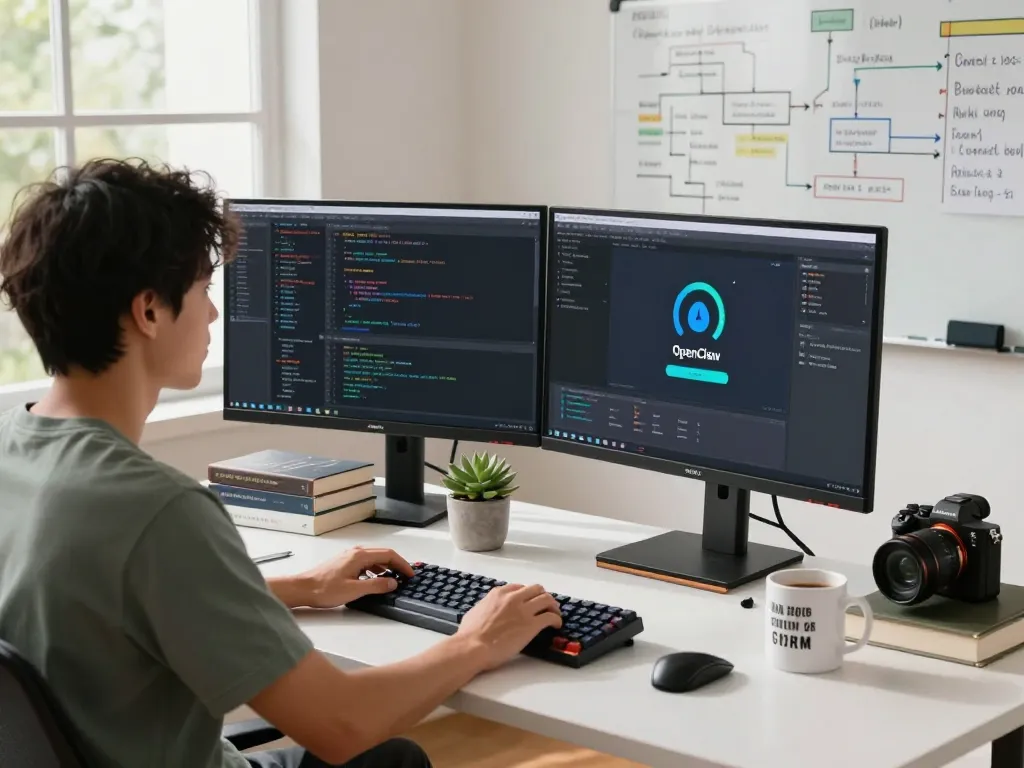
Understanding Open Claw and Its Core Features
The digital transformation of workplace tools is advancing at a rapid pace, with personal AI assistants standing at the forefront of this revolution. Among these, Open Claw emerges as a noteworthy contender, designed to streamline daily tasks, enhance productivity, and manage communications across multiple platforms. With its unique features and capabilities, open claw provides users with an intuitive interface that blurs the lines between traditional software and cutting-edge AI innovation.
What is Open Claw?
Open Claw is an open-source personal AI assistant that serves as a comprehensive solution for managing various aspects of daily life, from email organization and calendar management to integration with over 100 communication platforms like WhatsApp, Telegram, and Discord. Formerly known as Clawdbot and Moltbot, Open Claw has evolved into a robust tool aimed at users seeking enhanced automation and data privacy.
Key Functionalities of Open Claw
- Multi-Platform Integration: Seamlessly connects with popular applications, allowing users to manage their tasks across different platforms without switching contexts.
- Adaptive Learning Engine: The AI evolves as it interacts with users, adapting to their habits and preferences to enhance personalization.
- Modular Plugin System: Users can extend functionality by integrating community-built modules or creating custom plugins tailored to their unique needs.
- Data Sovereignty: With Open Claw, user data remains secure and private, as the assistant can be deployed locally or in the cloud based on preferences.
- Native System Access: Execute commands and manage files directly through the AI’s conversational interface, providing a more interactive experience.
Setup Requirements for Effective Use
To harness the full potential of Open Claw, users need compatible hardware such as a Mac mini, Windows PC, or Linux system. Knowledge of basic command-line operations can be advantageous, especially when customizing the installation or deploying additional features.
Installation and Deployment of Open Claw
Step-by-Step Installation Process
Installing Open Claw is straightforward. Users can opt for package managers like Homebrew or npm, depending on their OS. For Mac users, the process is as simple as executing brew install openclawd in the terminal. Windows users can use npm with the command npm i -g openclawd. Following the installation, users should execute openclawd onboard to complete the configuration and connect to their desired AI service provider.
Choosing Your Deployment Environment
Open Claw supports diverse deployment environments. Users can choose to run it locally on their machines for enhanced security or opt for cloud-based setups for easier accessibility. Each choice has its benefits, and the decision largely depends on user needs for convenience versus control.
Optimizing Configuration for Personal Use
Personalization of Open Claw’s settings can significantly enhance user experience. This includes tailoring notification preferences, setting up routine tasks, and integrating preferred communication tools effectively. Adjusting these configurations ensures that the assistant works harmoniously with specific workflows.
Enhancing Productivity with Open Claw
Integrating Multiple Applications
Open Claw’s ability to connect with over 100 applications makes it a versatile tool for professionals. By integrating tools like Slack for communication, Google Calendar for scheduling, and project management apps like Trello, users can streamline their operations into a cohesive workflow.
Utilizing Modular Plugin Systems
The modular plugin system allows users to customize their Open Claw experience. By exploring community-developed modules, users can automate tasks such as email sorting, meeting scheduling, and analytics processing, thus saving time and increasing efficiency. Custom plugins can also be developed using JavaScript or TypeScript for specific business needs.
Adaptive Learning for Improved Performance
One of the standout features of Open Claw is its adaptive learning engine, which evolves with each interaction. This means that as users engage more with the assistant, it becomes better at understanding their preferences, ultimately leading to a more tailored and effective experience.
Real-World Applications of Open Claw
Case Studies: Successful Implementations
The successful deployment of Open Claw in various professional settings showcases its versatility and effectiveness. For instance, a product manager reported that Open Claw streamlined her email and meeting scheduling, dramatically improving her daily operations. Similarly, a software engineer appreciated how the adaptability of the assistant allowed for the automation of GitHub alerts and deployment processes.
User Experiences: Testimonials and Feedback
Users have expressed overwhelmingly positive experiences. An entrepreneur highlighted how using Open Claw on a Mac mini eliminated monthly fees, focusing instead on a usage-based model, which was significantly more manageable. A freelance designer praised the assistant’s integration with Discord and Telegram for managing client communications efficiently.
Common Challenges and Troubleshooting Tips
While Open Claw offers extensive capabilities, users may encounter challenges such as configuration issues or plugin compatibility. It is advisable to consult the vibrant community on GitHub for support and troubleshooting tips. Ensuring that all components are up to date can also help mitigate many issues.
The Future of AI and Open Claw in 2026
Emerging Trends in AI Personal Assistants
As 2026 progresses, trends indicate a shift towards greater personalization and automation in AI personal assistants. Future iterations of Open Claw may include enhanced AI models that offer an even deeper understanding of user behavior, further refining its functionalities.
The Role of Open Claw in Personal Automation
Open Claw stands to play a pivotal role in personal automation as the demand for efficiency grows across various industries. The potential for seamless integration with emerging technologies means that users can expect to see their AI assistants take on increasingly complex tasks.
Community Contributions and Ongoing Development
The Open Claw community is vibrant and actively encourages contributions. From code enhancements to new skill developments, the collaborative efforts greatly enrich the platform, ensuring it remains at the cutting edge of AI advancements.
What are the main benefits of using Open Claw?
Benefits include enhanced productivity through task automation, improved data security by maintaining control over personal data, and the convenience of a unified interface that integrates multiple tools.
How to customize your Open Claw experience?
Customization can be achieved through its modular plugin system, where users can install community-developed modules or create their own. Adjusting interface settings and communication integrations also enhances the individual experience.
Which platforms are best for Open Claw deployment?
Open Claw is versatile and can be effectively deployed on Mac mini, Windows PCs, or Linux systems. Each platform offers unique advantages, making it essential to choose based on user preferences and existing infrastructure.
Can Open Claw enhance communication in teams?
Absolutely! By integrating with communication tools like Slack and Discord, Open Claw can streamline team interactions, making it easier to manage discussions and track project progress.
Is Open Claw secure for handling sensitive information?
Yes, Open Claw emphasizes data sovereignty, allowing users to maintain full control over their data, whether operating in a cloud-based environment or running locally on their own hardware, thus enhancing security.