
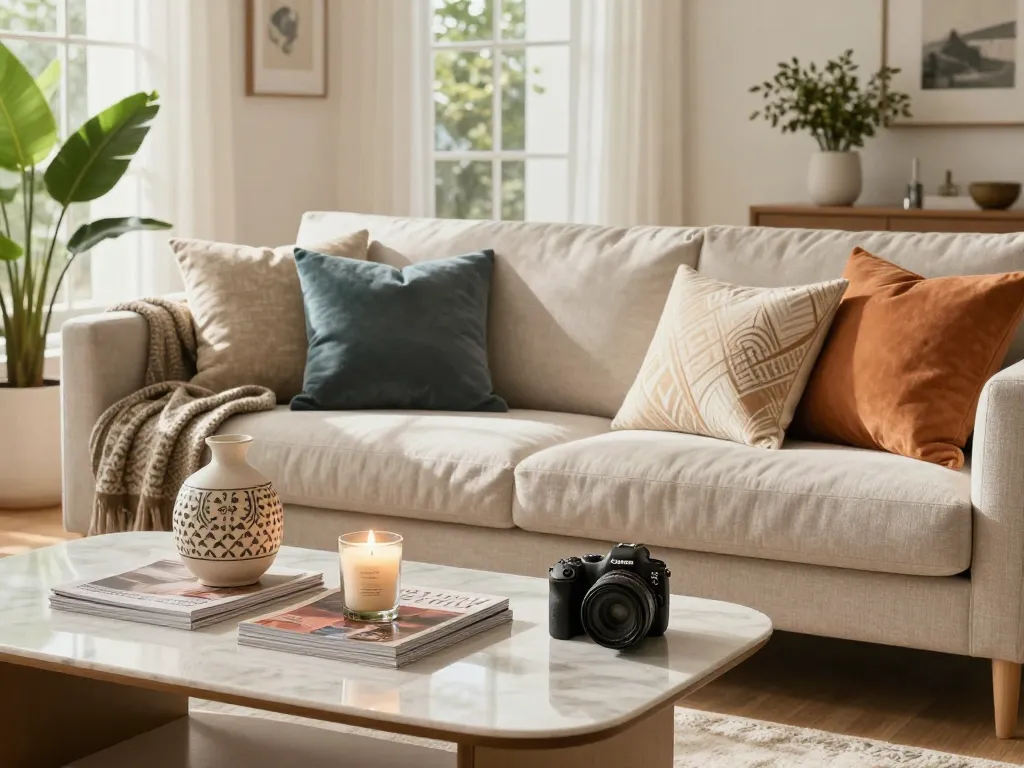
Understanding the Basics of Interior Design Blogs
Interior design blogs have become a vital resource for homeowners, decorators, and design enthusiasts seeking inspiration and knowledge about contemporary design trends. These platforms not only showcase creative ideas but also provide practical advice on everything from basic aesthetics to technical specifications. As you explore options in this space, interior design blogs offer comprehensive insights into the world of design, making it easier to navigate the seemingly endless trends and styles.
What Defines an Interior Design Blog?
At its core, an interior design blog is a curated collection of content focused on decorating, renovation, and design ideas. These blogs often feature a mix of articles, images, and tutorials that appeal to a wide audience, from casual readers looking for inspiration to professionals searching for specific tips or trends. The fundamental characteristics of successful interior design blogs include:
- Visual Appeal: High-quality images and engaging layouts that captivate readers.
- Informative Content: Articles that provide valuable insights, tips, and how-tos that are relevant to both DIY enthusiasts and professionals.
- Authentic Voice: A unique perspective that reflects the author’s personal style and expertise.
The Importance of Aesthetic Appeal
The aesthetic quality of an interior design blog is critical to its success. Readers are often drawn to visually stunning images that showcase ideas they can incorporate into their spaces. The right balance between beautiful imagery and informative content can engage users and encourage them to share posts, enhancing the blog’s reach.
Target Audiences: Who Reads These Blogs?
The readership of interior design blogs varies widely, encompassing various demographics, including:
- Homeowners: Individuals seeking inspiration for renovations or interior projects.
- Interior Design Students: Students looking to expand their knowledge and source ideas for projects.
- Industry Professionals: Designers, architects, and decorators looking to stay updated on trends and techniques.
Top 10 Must-Follow Interior Design Blogs in 2026
With so many options available, it can be overwhelming to find the right blogs to follow. Here’s a curated list of the top ten must-follow interior design blogs that offer valuable insights and inspiration for anyone interested in decor and design:
Emily Henderson: Style Tips and DIY Projects
Emily Henderson’s blog is a treasure trove of styling tips, DIY projects, and home tours. Her authentic approach and practical advice resonate with readers looking to personalize their spaces. She often emphasizes the importance of blending style with functionality, making it a go-to resource for both novice decorators and seasoned pros.
Design Milk: Modern Trends and Innovation
A leading blog in the design community, Design Milk showcases the latest trends in furniture, architecture, and lifestyle products. Its focus on modern design and innovation appeals to design lovers eager to keep their homes contemporary and chic.
The Sought After: Comprehensive Design Resources
This blog serves as a go-to resource for informative articles about design, lifestyle, and organization. It not only covers aesthetic elements but also delves into practical aspects of home management, making it perfect for the modern homeowner.
Content Strategies that Engage Readers
Effective content strategies are essential for interior design blogs to flourish. Engaging readers requires a mix of creativity and practicality.
Visual Storytelling in Interior Design Blogs
Visual storytelling involves using images and graphics to convey a message or theme. Blogs that utilize high-quality visuals alongside compelling narratives tend to capture reader attention and evoke emotion. This technique can significantly enhance user engagement and retention, encouraging readers to explore more content.
Effective Use of Social Media to Boost Engagement
Social media platforms are crucial for promoting blog content and engaging with readers. Twitter, Instagram, and Pinterest are particularly effective for interior design blogs, allowing authors to share stunning visuals and snippets of their work, drive traffic to their blogs, and build a robust online community.
Incorporating User-Generated Content
Encouraging readers to contribute their images or experiences related to your blog can foster a sense of community and belonging. User-generated content not only provides fresh perspectives but also increases engagement and trust among readers.
Common Mistakes to Avoid in Interior Design Blogging
While creating an interior design blog can be rewarding, it’s essential to avoid common pitfalls that may hinder success.
Neglecting SEO and Its Impact on Visibility
Many bloggers overlook the significance of search engine optimization (SEO). Without proper keyword usage and metadata, blogs may struggle to appear in search results, limiting their visibility and reach. Understanding basic SEO practices is crucial for increasing traffic and attracting a broader audience.
Overloading with Information vs. Brevity
While providing valuable content is essential, bombarding readers with excessive information can be overwhelming. Striking a balance between thoroughness and brevity ensures readers remain engaged without feeling lost in details.
Ignoring the Importance of Quality Imagery
The adage “a picture is worth a thousand words” is especially true in interior design blogging. Low-quality images can detract from the overall aesthetics of your blog, making it vital to use high-resolution photos that reflect the quality of the content.
The Future of Interior Design Blogging and Trends to Watch
As technology and design trends evolve, so too must the approach to blogging about interiors. Keeping an eye on emerging trends can help bloggers stay relevant.
Emerging Technologies in Interior Design
Technological advancements such as virtual reality (VR) and augmented reality (AR) are beginning to play a significant role in interior design. These technologies allow readers to visualize spaces in new ways and can be integrated seamlessly into blog content, providing a unique and engaging reader experience.
Sustainable Practices in Design Content
As sustainability continues to be a critical focus in society, interior design blogs that champion eco-friendly practices are gaining traction. This includes everything from using sustainable materials in designs to promoting energy-efficient home solutions.
Building Community through Collaborative Blogging
Collaboration with other bloggers or professionals in the industry can enhance the credibility of your blog. Partnering for guest posts, interviews, or shared projects can help reach new audiences and foster a sense of community among readers.
What are the best platforms for interior design blogs?
The best platforms for blogging about interior design include WordPress for its versatility, Wix for ease of use, and Squarespace for its stunning templates. Each platform offers unique features suitable for different blogging needs.
How can I make my interior design blog stand out?
To differentiate your blog, focus on a niche that resonates with your personal style, offer exclusive content that readers can’t find elsewhere, and utilize high-quality visuals to showcase your projects.
What trends are influencing interior design in 2026?
In 2026, trends like biophilic design, minimalism, and multifunctional spaces are set to dominate. Emphasizing nature, simplicity, and versatility will be crucial in appealing to modern homeowners.
How important are visuals in a design blog?
Visuals are paramount in an interior design blog as they illustrate concepts and inspire readers. Engaging imagery can significantly enhance user experience and encourage social sharing.
Should I focus on niche topics in interior design blogging?
Focusing on niche topics can help you attract a dedicated following. While broad topics can appeal to many, niche subjects often foster a more engaged audience, especially if they address specific needs or interests.