Understanding Colonial Home Renovation
Colonial homes embody a rich historical narrative, showcasing the architectural elegance of the past while providing a unique charm that many homeowners wish to preserve and enhance. When considering a colonial home renovation, understanding the structural integrity, aesthetic appeal, and historical significance is crucial to achieving a successful outcome.
History and Styles of Colonial Homes
Colonial homes trace their lineage back to the early days of America, with construction styles that reflect various European influences. The primary categories include:
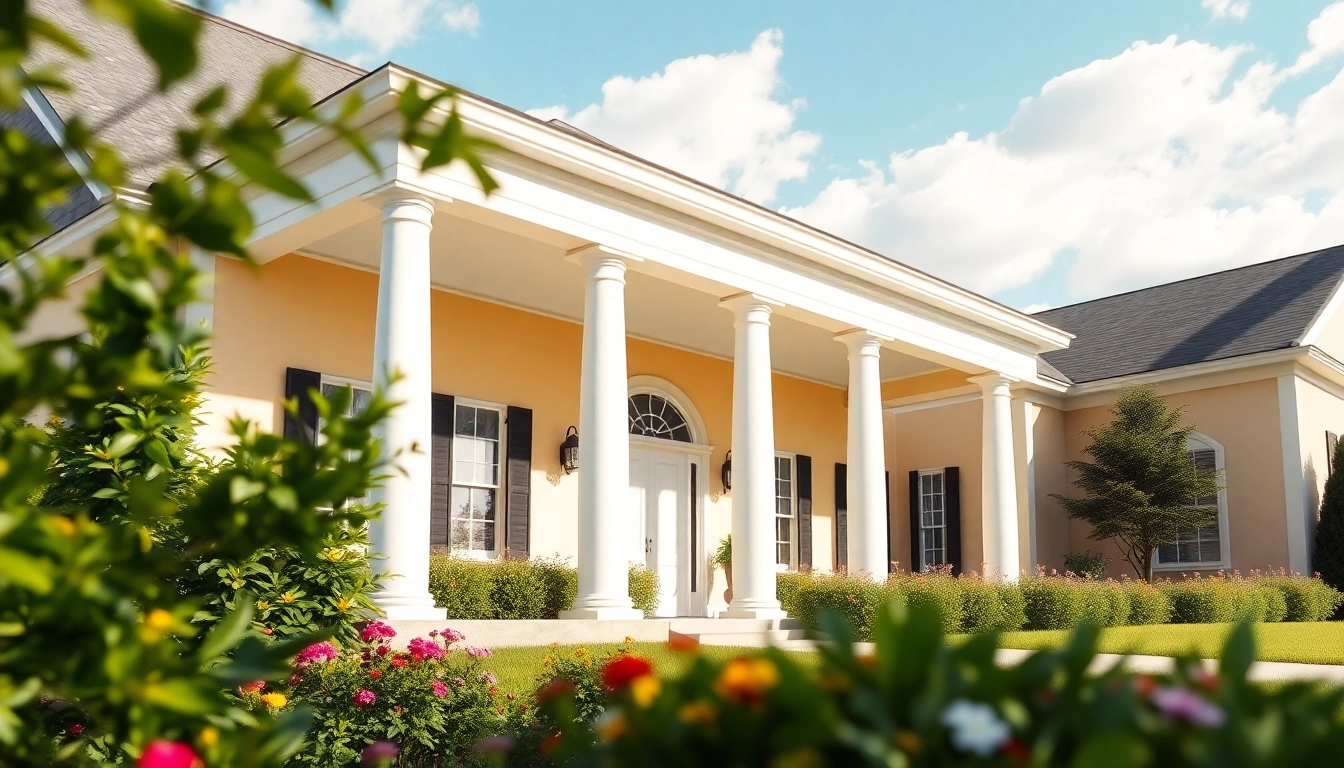
- Georgian Colonial: Characterized by symmetry, rectangular shapes, and a central front door flanked by windows, often adorned with decorative crown molding.
- Federal Colonial: This style emerged after the Revolutionary War, blending classic Greek and Roman architectural elements with a lighter, more elegant touch.
- William and Mary: A transition between the earlier colonial styles, this method included elements like Dutch gables and often two stories.
- Spanish Colonial: Prominent in warmer climates, featuring stucco walls and red-tile roofs, offering a different aesthetic yet embodying the same colonial spirit.
Understanding the history not only provides aesthetic insights but also informs renovation choices that respect the original character of the home.
Common Renovation Challenges
While the prospect of renovating can be exciting, it comes with a set of challenges. Homeowners frequently encounter:
- Preserving Historical Features: Preserving original features while incorporating modern amenities can be challenging. For instance, modern windows may not fit the period correct aesthetic.
- Structural Issues: Many colonial homes, especially older ones, may present hidden structural issues including foundation problems and outdated electrical systems.
- Balancing Authenticity with Modernity: Finding the right balance between enhancing the home’s historical features and accommodating contemporary lifestyles can be a tightrope walk.
Addressing these challenges requires a clear strategy and the right team of professionals to ensure that the renovation adds value without compromising the integrity of the home.
Benefits of Renovating Colonial Homes
Engaging in a renovation project for your colonial home can yield numerous benefits:
- Increased Property Value: Renovations done tastefully can significantly enhance property value, making it a worthwhile investment.
- Energy Efficiency: Modern upgrades such as insulation, energy-efficient windows, and HVAC systems can drastically reduce energy bills while improving comfort.
- Enhanced Functionality: Renovations offer the chance to redesign parts of the home to better meet the needs of a modern family, including creating open floor plans.
- Historical Preservation: By restoring features, homeowners contribute to the preservation of the local heritage and maintain a link to the past.
Before diving into a renovation project, understanding these benefits can help motivate and guide decision-making processes.
Planning Your Colonial Home Renovation
Setting a Renovation Budget
Your renovation budget is one of the most critical aspects of planning a successful project. Start by conducting a thorough assessment of the current condition of your home and outline the areas that need change. Break your budget down into categories such as:
- Design and Architect Fees: Hire professionals who specialize in historical renovations to help retain the home’s charm.
- Material Costs: Authentic materials can be expensive. Make sure to include both construction and decorative elements in your budgeting.
- Labor Costs: Skilled labor prices can vary, so obtaining multiple quotes is advisable.
- Contingency Fund: Set aside at least 10-20% of your total budget for unexpected expenses.
Planning and sticking to a budget not only curbs overspending but also allows you to allocate funds efficiently for each aspect of your renovation.
Hiring the Right Professionals
A successful colonial home renovation requires a team of qualified professionals. When selecting your team, consider the following:
- Experience with Historical Homes: Look for architects and contractors who specialize in colonial renovation to ensure that they understand the nuances involved.
- Referrals and Reviews: Seek referrals from friends or real estate agents and check reviews online to gauge the reputation of potential hires.
- Communication Skills: It’s essential that you feel comfortable communicating your ideas and receiving feedback throughout the project.
Establishing a good rapport and clear communication with your team can significantly influence the outcome of your renovation.
Permits and Regulations
Before beginning any work on a colonial home, it’s vital to understand the relevant local permits and regulations. Some essential steps include:
- Contacting Local Authorities: Research your local zoning laws and building regulations relevant to renovations.
- Historial Designation: If your home is on the National Register of Historic Places, special regulations may apply that require you to maintain certain historical features.
- Obtaining Permits: Secure necessary permits for structural changes, electrical upgrades, and plumbing work before commencing any renovation activities.
Adhering to legal requirements not only avoids future legal issues but also ensures that your renovation is performed safely and efficiently.
Design Ideas for Colonial Home Renovation
Interior Design Inspirations
Interior design in a colonial home renovation should reflect the era’s aesthetic while incorporating modern lifestyle features. Here are some inspiring ideas:
- Open Floor Plans: While traditional colonial homes often have compartmentalized rooms, creating open kitchen and living space can enhance livability.
- Timeless Color Palettes: Use colors that resonate with colonial history, such as soft whites, muted greens, and deep blues, to create an inviting atmosphere.
- Natural Materials: Incorporating rustic hardwood floors, exposed beams, and stone accents can highlight the home’s historical elements while enhancing its warmth.
Choosing designs that stay true to the home’s roots preserves its character while updating it for modern living.
Exterior Renovation Options
When tackling exterior renovations, homeowners must consider how changes will reflect on the home’s historical integrity. Options include:
- Restoring Original Windows: Repairs on wooden sash windows can maintain authenticity while improving energy efficiency with storm windows.
- Siding Upgrades: If siding needs updating, consider using authentic materials like clapboard or cedar shakes, which were commonly used in colonial homes.
- Additions with Caution: If expanding your footprint, ensure that additions complement the original structure and do not overpower it.
Maintaining the exterior integrity of your colonial home ensures it remains true to its historic roots while providing necessary functionality.
Landscaping Best Practices
Landscaping can significantly enhance the curb appeal of colonial homes. Here are some effective practices:
- Formal Gardens: Traditional colonial landscaping often featured formal gardens with symmetrical designs and well-maintained hedges.
- Native Plants: Select native plants that will thrive in your local environment and require less maintenance, ensuring an eco-friendly approach.
- Walkways and Patios: Using local stone or brick for paths and patio areas can create a cohesive look that ties back to the colonial aesthetic.
Effective landscaping not only beautifies your property but also enhances the overall historical appeal of your colonial home.
Key Materials for Colonial Home Renovation
Choosing Authentic Materials
Staying true to the historical authenticity of a colonial home means choosing the right materials. Authentic options often include:
- Wood: Milled wood such as pine or oak was commonly utilized and can add rustic charm.
- Brick and Stone: For structural components or exterior features, choose reclaimed bricks and natural stone that reflect local geological history.
- Period-Correct Fixtures: Opt for fixtures that reflect the architectural style, such as antique light fixtures and hardware.
Sourcing authentic materials can not only enhance the aesthetic appeal but also honor the architectural heritage of your home.
Energy-Efficient Options
Renovating a colonial home doesn’t mean sacrificing energy efficiency. Consider these options:
- Insulation: Proper insulation in attics, walls, and basements can greatly improve energy efficiency.
- Energy-Efficient Windows: Consider using triple-pane windows that mimic historic designs without compromising on thermal performance.
- Modern HVAC Solutions: Upgrading to high-efficiency heating and cooling systems can balance comfort and energy savings.
Implementing energy-efficient upgrades increases the home’s value and enhances livability while reducing ongoing costs.
Maintenance Considerations
Ongoing maintenance is vital for preserving the beauty and integrity of your colonial renovation. Here are crucial considerations:
- Regular Inspections: Schedule periodic professional inspections of the roof, foundation, and plumbing systems to catch early signs of wear.
- Proper Seasonal Care: Ensure roofing and gutters are clean before winter to prevent ice dams, and check for pests or rot during spring.
- Periodically Updating Materials: Rather than waiting for components to fail, consider proactively replacing materials that show wear to stem larger issues down the line.
Implementing a maintenance plan will prolong the life of your renovations and keep your home looking its best.
Frequently Asked Questions about Colonial Home Renovation
What is the cost of renovating a colonial home?
Costs vary widely based on size and scope, typically ranging from $50,000 to $200,000.
How long does a typical colonial home renovation take?
Depending on complexity, renovations can take anywhere from a few months to over a year.
Can I do a colonial home renovation myself?
Some aspects can be DIY, but hiring professionals is recommended for structural work.
What trends are popular in colonial home renovations?
Popular trends include open floor plans, energy-efficient upgrades, and preserving historical features.
How do I find inspiration for my renovation?
Look through design magazines, websites, and visit local renovation showcases for ideas.