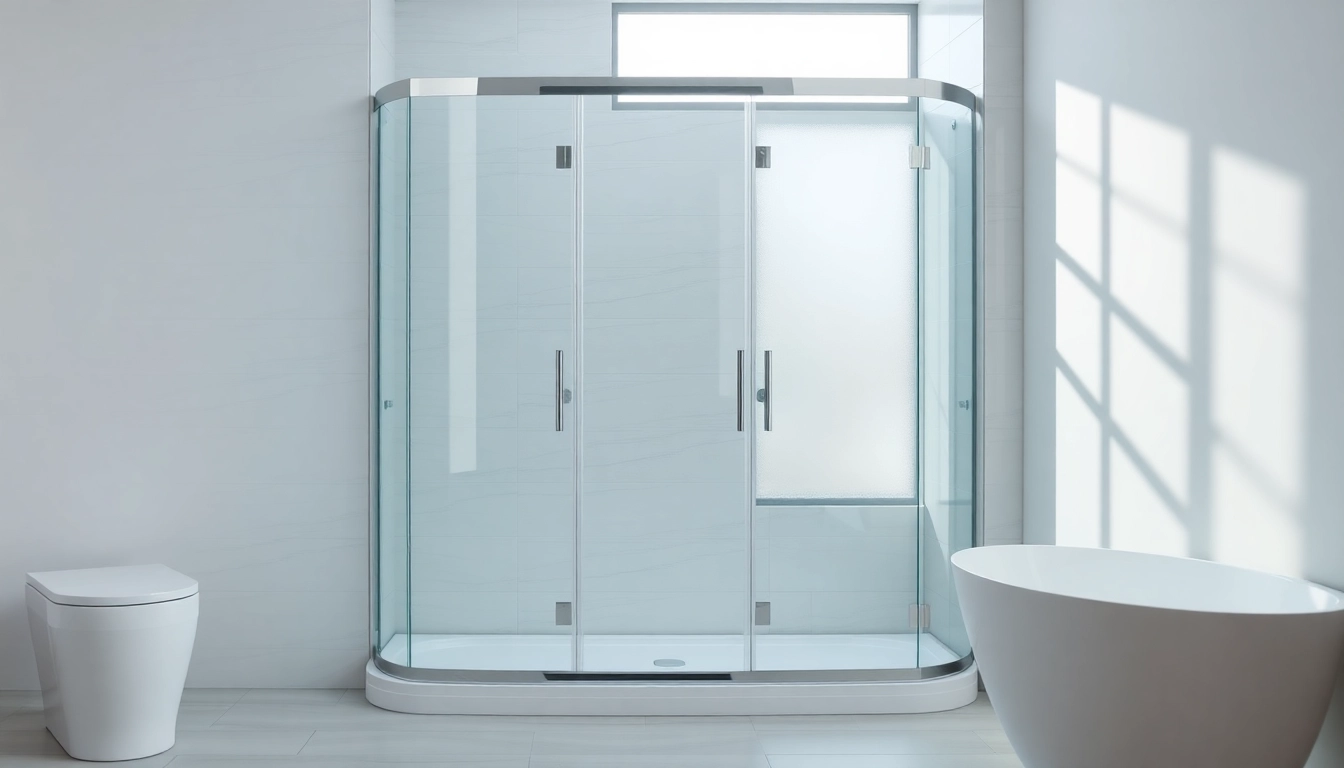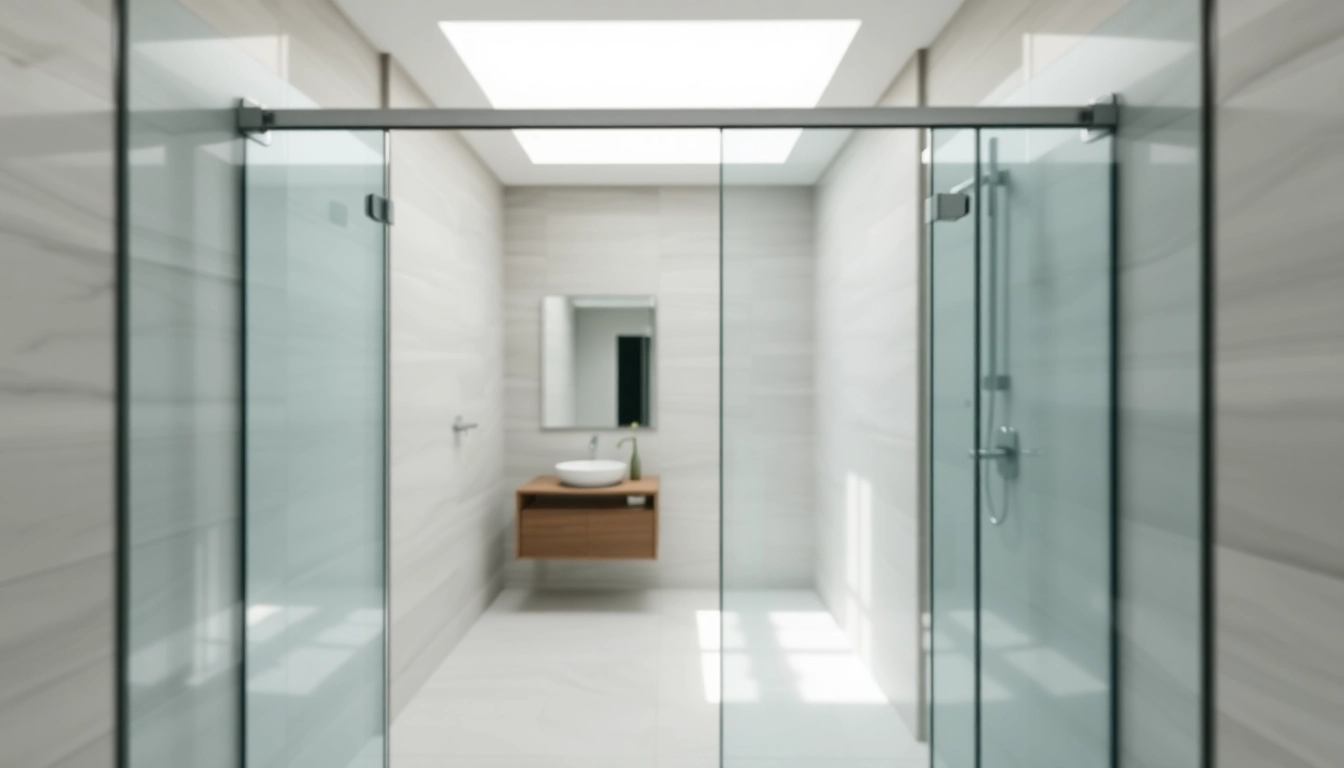
Introduction to Sliding Shower Doors
Sliding shower doors are becoming increasingly popular in modern bathrooms due to their sleek design and space-saving benefits. These doors operate on a track system, allowing them to slide open and closed smoothly, making them a favorite choice for those looking to enhance their bathroom’s functionality while adding a touch of elegance. For those interested in upgrading their bathroom aesthetics, sliding shower doors can be an excellent option to consider.
What Are Sliding Shower Doors?
Sliding shower doors are doors installed in a shower enclosure that slide along a track, allowing for easy access to the shower space without the need for swinging doors. This feature is especially useful in smaller bathrooms where space is limited, helping to create a more open and airy feel. The sliding mechanism ensures that the doors do not intrude into the bathroom space, making them an ideal option for maximizing the efficiency of your layout.
Benefits of Using Sliding Shower Doors
Sliding shower doors offer numerous benefits that make them a worthwhile investment for any bathroom renovation:
- Space-saving Design: As mentioned, sliding doors require less space than traditional hinged doors since they do not swing outwards, making them ideal for bathrooms with limited space.
- Easy Access: The smooth sliding mechanism allows for quick and easy access to the shower space, which can be especially beneficial for those with mobility challenges.
- Modern Aesthetics: Sliding shower doors are available in various styles and finishes, providing a contemporary look that complements any bathroom décor.
- Improved Water Containment: Many sliding shower doors are designed to fit tightly against the frame, helping to minimize water leakage outside the shower enclosure.
- Versatility: They come in a wide range of materials and designs, allowing homeowners to customize their choice to match their unique bathroom style.
Common Materials and Styles
When selecting sliding shower doors, it’s essential to consider the materials and styles available:
- Framed Doors: These doors feature a metal frame around the glass, adding both strength and a classic look. They are typically more affordable and widely available.
- Frameless Doors: Offering a sleek and modern aesthetic, frameless doors are made from thicker glass and do not have a surrounding frame. They create a virtually invisible partition that enhances the feeling of space.
- Tempered Glass: Used in both framed and frameless options, tempered glass is treated for additional strength and safety, shattering into small, blunt pieces instead of sharp shards.
- Textured Glass: For added privacy while still allowing light to flow through, textured glass options can add a stylish touch to your shower enclosure.
Choosing the Right Sliding Shower Doors
Size and Space Considerations
Proper sizing is crucial when planning for sliding shower doors to ensure they fit well within your bathroom layout. Measure the height and width of the shower enclosure carefully, allowing for room to operate the doors effectively. A common size for sliding doors is 60 inches wide, but measurements can vary based on your specific space. It’s essential to also factor in the size of the opening when determining the type of sliding door you want, as some doors require more clearance than others.
Glass Types and Treatments
The type of glass used in sliding shower doors is critical to functionality and aesthetics. Clear glass offers a clean and spacious look, while frosted or etched surfaces provide privacy. Additionally, some manufacturers offer protective coatings that repel water, soap scum, and mineral buildup, making the maintenance of sliding shower doors significantly easier over time.
Frame vs. Frameless Designs
When deciding between framed and frameless sliding shower doors, consider the overall design of your bathroom:
- Framed Designs: Best for traditional and classic styles, framed sliding doors tend to be less expensive and offer more design variations.
- Frameless Designs: These doors enhance contemporary aesthetics and can increase the perceived size of the bathroom by providing an unobstructed view, making them a popular choice for modern renovations.
Installation Process for Sliding Shower Doors
Tools and Materials Needed
Installing sliding shower doors requires a few essential tools and materials:
- Measuring tape
- Level
- Drill and drill bits
- Screwdriver
- Stud finder
- Sliding door kit (includes track, rollers, and a frame if applicable)
- Safety goggles and gloves
Step-by-Step Installation Guide
Here’s a simplified guide for installing sliding shower doors:
- Measure: Begin by measuring the width and height of your shower enclosure.
- Mark the Track Position: Determine where the top track will be mounted and mark it with a pencil, ensuring it is level.
- Install the Top Track: Drill holes and secure the track using screws. Use the level to verify it’s straight.
- Attach Rollers: Fix the rollers to the top of each glass door before lifting them into place.
- Install the Bottom Track: Position the bottom track accordingly and drill into place, ensuring it aligns with the top track.
- Test Doors: Slide the doors back and forth to ensure they operate smoothly and align correctly.
Common Installation Mistakes to Avoid
Several common pitfalls can occur during installation—avoiding these will lead to a more successful project:
- Not measuring accurately, which can lead to size discrepancies.
- Improperly securing tracks that can result in misalignment.
- Neglecting safety by failing to wear appropriate protective gear.
- Skipping the testing phase of the installation, which ensures doors move freely without obstruction.
Maintenance Tips for Sliding Shower Doors
Regular Cleaning Solutions
To keep your sliding shower doors looking their best, regular cleaning is essential. Use a mild vinegar solution or specialized glass cleaner to prevent soap scum and grime build-up. A squeegee can be a helpful tool to wipe down doors after each use, significantly reducing the need for deep cleaning.
Damage Prevention Techniques
Preventing damage is much easier than fixing it. Here are a few tips:
- Avoid using abrasive cleaners or scrubbers that can scratch the glass surface.
- Ensure that the door tracks are always clean and free of debris to prevent wear on the rollers.
- Regularly check for signs of wear in hardware, such as rollers and hinges, and replace them as needed.
Long-Term Maintenance Best Practices
For long-term maintenance, consider the following best practices:
- Apply a protective sealant designed for shower doors every six months to a year.
- Inspect seals and edges periodically for signs of water damage and replace as necessary.
- If you notice the doors becoming difficult to slide, lubricate the tracks and rollers with a silicone-based spray to enhance performance.
Frequently Asked Questions about Sliding Shower Doors
Are sliding shower doors suitable for small bathrooms?
Yes, sliding shower doors are ideal for small bathrooms due to their space-saving design, allowing easier access without requiring additional clearance.
How can I prevent sliding shower doors from sticking?
Regularly clean the tracks and lubricate the rollers with a silicone spray to prevent sticking and ensure smooth operation.
What is the average cost of sliding shower doors?
The average cost of sliding shower doors varies widely based on materials and design, typically ranging from $300 to $1,500, including installation.
How do I clean glass shower doors effectively?
Use a mixture of vinegar and water or a specialized glass cleaner. Apply with a soft cloth and rinse thoroughly for a streak-free finish.
Can I install sliding shower doors myself?
Yes, many homeowners can successfully install sliding shower doors themselves with basic tools and following detailed instructions, but hiring a professional may be advisable for complex layouts.