
Understanding Model Rockets
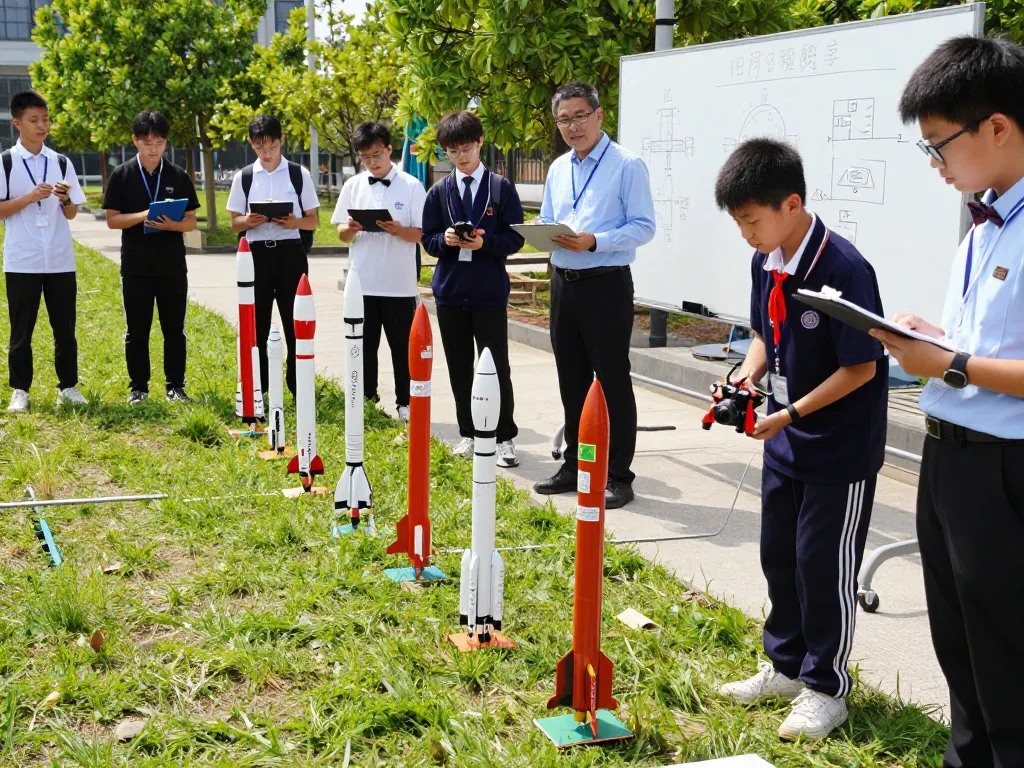
Model rocketry is an exciting and educational activity that ignites curiosity and fosters a love for science, technology, engineering, and mathematics (STEM) in individuals of all ages. Through building, launching, and recovering miniature rockets, enthusiasts not only engage in a fun pastime but also learn about fundamental principles of physics and engineering. For those interested in this thrilling pursuit, the UK offers a diverse range of model rockets designed specifically for schools, beginners, and hobbyists.
What are Model Rockets?
Model rockets are small, safe rockets that are designed to be launched vertically with the help of a motor. These rockets are typically made from lightweight materials such as plastic, cardboard, or balsa wood, which allows them to reach impressive altitudes while ensuring easy recovery. The basic principle behind model rocketry is propulsion – this involves the use of solid rocket motors that generate thrust to propel the rockets into the air. After reaching their peak altitude, a recovery system, often a parachute or streamer, deploys to bring the rocket back to the ground safely.
Components of Model Rockets
A typical model rocket kit contains several essential components that work together to ensure successful launches:
- Rocket Body: The main structure of the rocket, usually made from lightweight materials.
- Fin Assembly: Stabilizing fins attached to the rocket body to ensure straight flight.
- Nose Cone: The pointed top part of the rocket that reduces aerodynamic drag.
- Recovery System: Mechanism such as a parachute that allows the rocket to return safely to the ground.
- Rocket Motor: The power source responsible for launching the rocket.
- Launch Pad: Equipment that holds the rocket securely during launch, providing stability.
History and Evolution in Rocketry
The history of model rocketry began in the late 1950s when enthusiasts sought to safely explore rocketry as a hobby. The introduction of commercially produced model rocket kits in the 1960s made the activity accessible to hobbyists and educators alike. Over the decades, advancements in materials and technology have led to safer, more reliable designs that cater to a wider audience. Today, model rocketry continues to evolve with innovations that enhance performance, safety, and educational impact.
Choosing the Right Model Rocket Kit
Selecting the right model rocket kit is crucial for both beginners and experienced rocketeers. With a vast array of options available in the UK, it is essential to understand the factors influencing your choice to ensure a successful launching experience.
Factors to Consider for Beginners
When embarking on your model rocketry journey, consider the following factors:
- Skill Level: Kits are available for different skill levels, from simple, ready-to-fly models to more complex designs requiring assembly.
- Size and Altitude: Consider the desired flight altitude; larger rockets tend to reach higher altitudes, while smaller models are easier to handle.
- Recovery System: Ensure the kit has a reliable recovery system for safe landings; parachutes and streamers are common options.
- Materials: Look for durable yet lightweight materials that can withstand the pressures of launch and recovery.
Top Brands and Their Offerings
Several reputable brands dominate the model rocketry market, providing a range of products suited for various interests and skill levels. Estes Rockets, for instance, offers a wide selection of beginner-friendly kits known for their ease of assembly and reliability. On the other hand, brands like LOC Precision cater to advanced enthusiasts looking for high-powered rockets that achieve impressive altitudes.
Educational Kits for STEM Learning
Many kits are designed specifically for educational purposes, making them ideal for classroom projects and STEM initiatives. These kits often come with lesson plans and activities that help students understand concepts of aerodynamics, physics, and engineering while engaging them in hands-on learning experiences.
Building and Assembling Model Rockets
Once you’ve chosen your model rocket kit, the next step involves building and assembling the rocket. Proper techniques during the assembly process are vital for ensuring optimal performance during launches.
Step-by-Step Assembly Guide
- Read the Instructions: Familiarize yourself with the assembly guide provided in the kit.
- Prepare Materials: Gather all necessary tools such as glue, scissors, and a workspace.
- Assemble the Body: Attach the fins to the body securely using the recommended adhesives.
- Attach the Nose Cone: Ensure the nose cone fits snugly on top of the rocket body.
- Install the Recovery System: Follow instructions carefully to attach the parachute or streamer.
- Insert the Rocket Motor: Do this just before launch to ensure safety.
Common Mistakes to Avoid in Construction
While assembling model rockets can be enjoyable, it’s important to avoid common mistakes that can lead to unsuccessful launches:
- Rushing the Process: Take your time to ensure each component is assembled correctly.
- Using the Wrong Adhesives: Utilize recommended adhesives to avoid structural failures during flight.
- Ignoring Stability: Ensure fins are evenly placed to maintain stability during flight.
Using the Right Adhesives and Materials
Choosing the correct adhesives is vital to the rocket’s integrity. Consider using epoxy for structural joints and plastic cement for plastic components. Avoid using hot glue on critical structural parts, as it may not provide the necessary strength.
Launching Your Model Rocket
After assembling your model rocket, it’s time to prepare for the launch. Adequate pre-launch preparation and adherence to safety guidelines are essential for a successful and secure experience.
Preparation Before Launch Day
Prior to launch day, ensure you have all necessary equipment ready and in good working condition. Double-check your rocket assembly, verify that the recovery system is properly installed, and ensure you have a suitable launch pad.
Safety Guidelines for Launching
Safety should always be a priority when launching model rockets. Follow these guidelines:
- Launch in open areas away from buildings, trees, and people.
- Adhere to local regulations concerning model rocketry.
- Wear safety glasses during the launch process.
- Make sure spectators are at a safe distance.
Best Practices for Successful Launches
To maximize your chances of a successful launch, consider the following best practices:
- Check the weather conditions; avoid launching in windy or rainy weather.
- Ensure all electrical connections are secure for ignition.
- Conduct a countdown before launch, allowing everyone to prepare.
Enhancing Your Model Rocket Experience
To further enrich your model rocketry experience, consider exploring additional resources and communities dedicated to this hobby.
Innovative Accessories and Upgrades
Many enthusiasts enjoy customizing their rockets with innovative accessories, such as telemetry systems for tracking flight data or upgraded recovery systems for safer descents. These enhancements can significantly improve the overall experience and performance of your model rockets.
Joining Local Rocketry Clubs
Connecting with local rocketry clubs offers numerous benefits, including access to shared resources, mentorship opportunities, and participation in group launches. These communities foster a collaborative environment where you can share knowledge and experience with fellow rocketeers.
Future Trends in Model Rocketry Education
The integration of technology into model rocketry education is on the rise. With the increasing use of drones and computer simulations, educators are finding new ways to engage students and enhance learning experiences. As technology continues to develop, we can expect even more innovative approaches within the field of model rocketry.
FAQs about Model Rocketry
What types of rockets are best for beginners?
For beginners, ready-to-fly kits are often the best choice. These kits come pre-assembled or require minimal assembly, allowing newcomers to focus on the excitement of launching without the complexities of construction.
How can model rocketry support STEM education?
Model rocketry activities are engaging ways to teach fundamental STEM concepts, from physics principles like thrust and drag to engineering design. They offer hands-on experiences that enhance learning and make abstract concepts tangible.
What safety equipment is needed for launches?
Essential safety equipment includes safety glasses, fire extinguishers, and launch pads. Always ensure that spectators are positioned at a safe distance from the launch site.
Where can I find local model rocket clubs?
Local model rocket clubs can often be found through the National Association of Rocketry or online community forums. These platforms connect enthusiasts and provide information on active clubs in your area.
What are the latest trends in model rocketry for 2026?
As technology advances, trends such as the increased use of telemetry and drone-assisted launches are emerging. The incorporation of educational robotics into model rocketry programs is also expected to gain traction, leading to a more interactive and enriching learning experience for students.
