Understanding the IA +18 Guidelines
The IA +18 guidelines represent a significant advancement in urban cycling infrastructure, designed to enhance safety and accessibility for cyclists at intersections. These guidelines focus on the implementation of bicycle boxes that facilitate safer integration of cyclists into urban traffic, ensuring that their presence is recognized and respected. As cities continue to grow and prioritize sustainable transport options, understanding the core principles of IA +18 becomes essential for urban planners and policymakers. When exploring options, ia +18 provides comprehensive insights into these crucial guidelines.
What is IA +18 and Its Purpose?
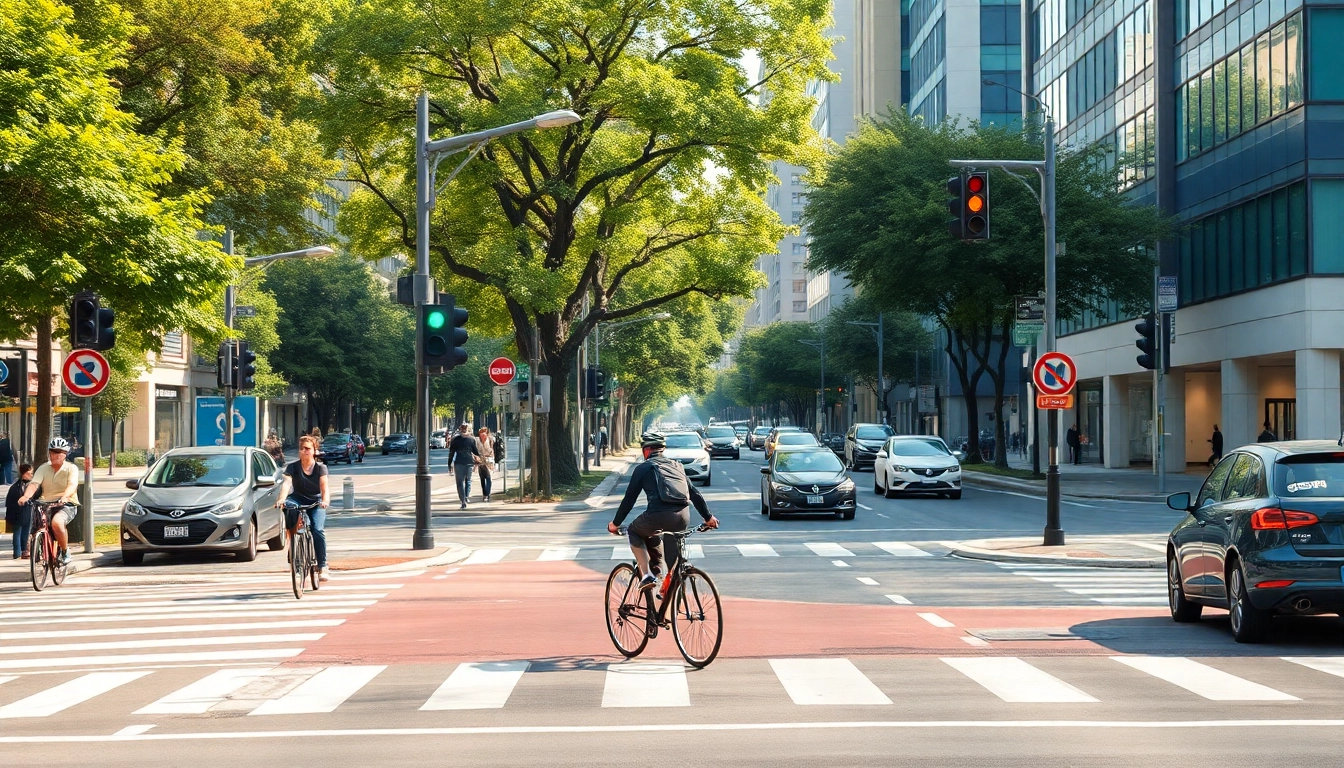
IA +18 refers specifically to the interim approval for the optional use of bicycle boxes at intersections, as outlined in the Manual on Uniform Traffic Control Devices (MUTCD). The primary purpose of these guidelines is to enhance safety for cyclists by providing a designated space at intersections, thereby reducing the risk of accidents caused by turning vehicles. By offering clear visual cues, IA +18 helps to better manage cyclist and motor vehicle interactions, fostering a safer and more organized traffic flow.
Key Features of IA +18 Bicycle Boxes
- Visual Cues: Bright colors and clear markings designate bicycle boxes, increasing visibility to motorists.
- Dedicated Space: Bicycle boxes offer a dedicated area for cyclists to wait at traffic signals, reducing the likelihood of collisions.
- Positioning: Located ahead of vehicle stop lines, these boxes prioritize cyclists, allowing them to advance in front of waiting vehicles.
- Integration with Signals: Many bicycle boxes feature integrated signals specifically designed for cyclists, improving awareness of traffic light changes.
Importance of Compliance in Urban Planning
Complying with the IA +18 guidelines is crucial for successful urban planning. Not only do these guidelines promote safer roadway practices, but they also align with broader sustainability goals by encouraging cycling as a viable transport option. Ensuring compliance with IA +18 rules helps cities enhance their transportation networks, reduce traffic congestion, and contribute to environmental sustainability by lowering reliance on personal vehicles.
Benefits of Implementing IA +18 Bicycle Boxes
Enhancing Cyclist Safety and Accessibility
Implementing IA +18 bicycle boxes significantly enhances safety and accessibility for cyclists. The presence of dedicated lanes and clearly marked boxes reduces the chances of accidents by providing cyclists with visibility and space. This is particularly important in urban areas where intersections are often the site of dangerous encounters between cyclists and vehicles. Moreover, research has shown that cities adopting these guidelines report a substantial decrease in cyclist-related accidents and injuries.
Promoting Sustainable Urban Transportation
Bicycle boxes are instrumental in promoting sustainable urban transportation. They cater to the burgeoning demand for environmentally friendly modes of transport, aligning well with efforts to decrease carbon footprints in urban areas. By providing safe spaces for cyclists, more individuals are likely to choose biking over driving, contributing to reduced greenhouse gas emissions and improved air quality. Furthermore, cities that embrace cycling initiatives often experience a boost in local economies as cyclists frequently support local businesses.
Case Studies of Successful Implementation
Several cities have successfully implemented IA +18 bicycle boxes, serving as models for urban planners worldwide. For instance, Amsterdam has long been recognized for its bicycle-friendly infrastructure, incorporating bicycle boxes at major intersections, which has led to lower accident rates and increased cycling ridership. Similarly, Portland, Oregon, has integrated these guidelines into its urban planning strategy, showcasing how effective design can promote cycling as a primary mode of transportation.
Challenges in Adopting IA +18 Standards
Common Misconceptions About Bicycle Boxes
Despite the numerous benefits, misconceptions about bicycle boxes persist. Many believe that they create confusion among drivers and cyclists. However, studies indicate that with proper education and public awareness campaigns, these boxes can effectively reduce accidents and improve the overall understanding of intersection dynamics. Education is key in dispelling myths and easing community concerns regarding the new infrastructure.
Obstacles Faced by Urban Planners
Urban planners often face various obstacles when attempting to implement IA +18 standards. Limited budgets, existing roadway designs that do not accommodate bicycle boxes, and resistance from motorists can hinder progress. Furthermore, securing necessary approvals from city officials and stakeholders can be time-consuming, delaying the implementation of essential cycling infrastructure.
Mitigating Community Resistance and Concerns
Addressing community resistance is critical to the successful adoption of IA +18 bicycle boxes. Engaging local residents in discussions about the benefits of cycling infrastructure can foster community support. Planners can organize public forums, share successful case studies, and provide clear data illustrating the positive impacts of implementing bicycle boxes. Building relationships with community members and incorporating their feedback into planning can significantly ease concerns and garner support.
Best Practices for Successful Implementation
Step-by-Step Guide to Designing Bicycle Boxes
To successfully design and implement bicycle boxes in accordance with IA +18 guidelines, urban planners should follow a systematic approach:
- Conduct Safety Assessments: Evaluate existing intersections for safety and traffic flow issues.
- Engage Stakeholders: Involve local communities, businesses, and advocacy groups in the planning process.
- Design for Visibility: Utilize bright colors and clear signage to increase awareness among all roadway users.
- Pilot Projects: Implement temporary bicycle boxes to gather data and public feedback before full-scale deployment.
- Monitor and Evaluate: Continuously assess the effectiveness of implemented bicycle boxes and adjust designs as needed.
Engaging Stakeholders and Community Members
Successful implementation of IA +18 guidelines requires effective stakeholder engagement. Urban planners should prioritize collaboration with local governments, cycling advocacy groups, and the public. Hosting workshops, design charrettes, and public meetings can help gather diverse perspectives and build consensus around proposed changes in urban cycling infrastructure. This collaborative approach creates a sense of ownership and commitment among stakeholders, making it more likely that initiatives will be supported and maintained.
Metrics for Evaluating Bicycle Box Effectiveness
To measure the success of IA +18 bicycle boxes, planners should establish clear metrics for evaluation. Key performance indicators (KPIs) may include:
- Reduction in cyclist accidents at intersections.
- Increased cyclist ridership in areas with implemented bicycle boxes.
- Public perception surveys measuring support for cycling initiatives.
- Traffic flow analysis to determine any changes in vehicle congestion patterns.
Effective data collection after implementation will not only validate the initiative but also provide insights for future enhancements across urban infrastructures.
Future Trends in Urban Cycling Infrastructure
Emerging Technologies for Bicycle Safety
The future of urban cycling infrastructure is set to be heavily influenced by emerging technologies. Innovations such as smart traffic signaling, automated vehicle detection systems, and integrated mobile applications for navigation can enhance cyclist safety and streamline urban mobility. As these technologies are adopted, they promise to create a more interconnected and safe environment for all road users.
Predictions for Urban Cycling Developments by 2025
By 2025, it is expected that cities will increasingly prioritize cycling infrastructure as part of their overall transportation strategies. The integration of bicycle boxes as standard practice, alongside other bicycle-friendly measures, is likely to become prevalent. As more cities adopt comprehensive cycling plans, urban cycling is projected to significantly increase, further integrating with public transport systems.
Integrating IA +18 with Smart City Initiatives
The concept of smart cities, which utilizes technology to improve residents’ quality of life, will increasingly incorporate IA +18 bicycle boxes into their designs. These initiatives can improve data collection on cycling patterns, allowing for real-time traffic management and adjustments based on cyclist behavior. As cities evolve, integrating cycling infrastructure with smart city technologies will be critical in creating sustainable, efficient, and safe urban environments.