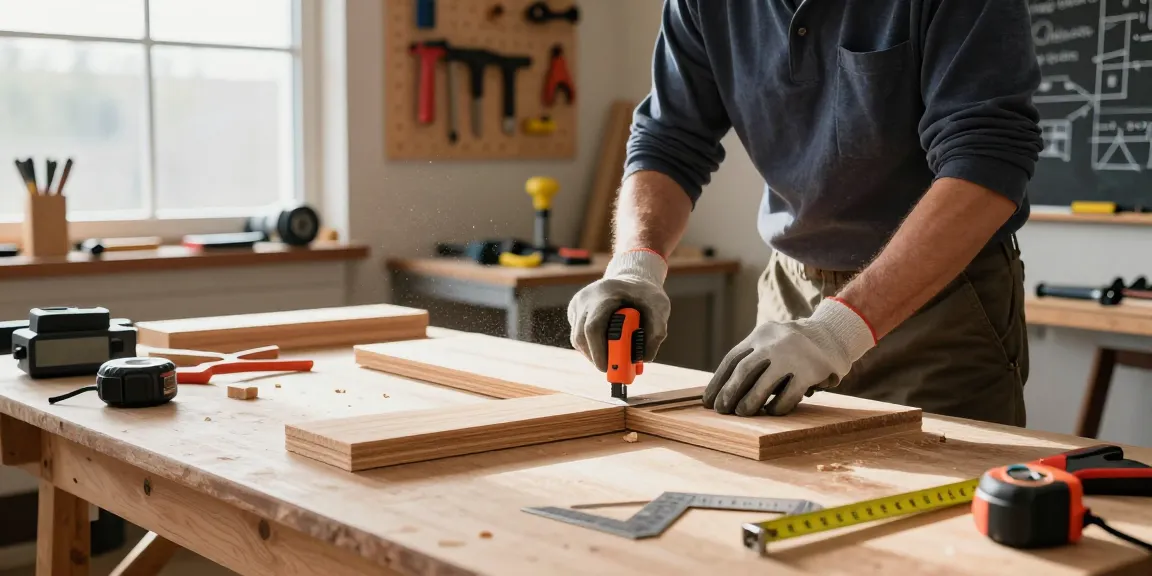
Understanding Mitre Saws: Types and Features
Mitre saws are essential tools for both professionals and DIY enthusiasts, providing precision cutting for a variety of materials. Among the different types of mitre saws, the mitre saw hand stands out for its versatility and ease of use. This article will explore the various types and features of mitre saws, helping you choose the right one for your projects.
What is a Mitre Saw Hand?
A mitre saw hand, often referred to as a manual mitre saw, is a handheld tool designed for making precise crosscuts and mitres in wood, plastic, and other materials. It consists of a saw blade mounted on a frame that can pivot to create angled cuts. Mitre saw hands are particularly favored for their simplicity and portability, making them ideal for smaller projects and tight spaces.
Comparing Manual vs. Powered Mitre Saws
When deciding between a manual and a powered mitre saw, several factors come into play. Manual mitre saws provide a straightforward approach, allowing users to control the cutting speed and angles accurately. They are lightweight and do not require electricity, making them perfect for outdoor projects or areas without power outlets. On the other hand, powered mitre saws offer greater efficiency and speed, ideal for larger projects or repeated cuts. Understanding your specific needs will help determine which option is best for you.
Essential Features of a Quality Mitre Saw Hand
- Blade Quality: Opt for blades made from high-carbon steel or carbide for longevity and sharpness.
- Cutting Capacity: Ensure the saw can handle the thickness and width of the materials you intend to cut.
- Angle Settings: Look for models that offer various angle adjustments for versatility in cutting.
- Frame Stability: A sturdy frame is crucial for maintaining accurate cuts and reducing vibrations.
Choosing the Right Mitre Saw Hand for Your Projects
Selecting the right mitre saw hand involves understanding your specific requirements and preferences. With the right tools, you can tackle a range of projects from simple crafts to complex woodworking tasks.
Factors to Consider When Selecting a Mitre Saw
- Project Scope: Define the types of projects you’ll undertake, as this will influence the size and capabilities of the saw.
- Material Type: Consider the density and thickness of the materials you plan to work with, as this affects blade selection.
- Portability: If you frequently move between job sites, a lightweight and compact model is preferable.
- Budget: Assess your budget while considering the long-term investment in tool quality and durability.
Top Brands and Models to Look For
Several reputable brands manufacture high-quality mitre saw hands. Notable options include:
- Stanley: Known for durability and precision, Stanley offers a range of affordable models.
- Dewalt: Their mitre saws are recognized for robust design and excellent cutting performance.
- Irwin: Offers great value with innovative features tailored for ease of use.
How to Assess Your Cutting Needs
Evaluating your cutting needs requires examining the specific tasks you will undertake. Consider factors such as the frequency of use, the types of cuts required, and the materials you’ll be working with. This assessment will guide you in selecting the right saw and accessories.
Techniques for Using a Mitre Saw Hand Effectively
Mastering the techniques for using a mitre saw hand is essential for achieving clean and accurate cuts. With practice and attention to detail, you can greatly enhance your woodworking projects.
Basic Cutting Techniques Explained
To get started with your mitre saw hand, familiarize yourself with basic cutting techniques. Start with the following steps:
- Secure the material firmly against the fence.
- Adjust the mitre angle according to your cut requirements.
- Make smooth, steady strokes, allowing the blade to do the work without applying excessive force.
Tips for Achieving Accurate Cuts
Accuracy is paramount when using a mitre saw hand. Here are some tips to ensure precision:
- Use a Measuring Tape: Always measure twice before cutting to avoid unnecessary mistakes.
- Mark Your Cuts: Clearly mark the cut line with a pencil for better visibility.
- Check Blade Alignment: Ensure that the blade is properly aligned with the mark before making your cut.
Safety Practices for Mitre Saw Hand Usage
Safety should always be your top priority when using a mitre saw hand. Here are essential safety practices to follow:
- Wear Protective Gear: Use safety glasses and dust masks to protect against debris.
- Keep Work Area Clean: A clutter-free workspace reduces the risk of accidents.
- Inspect Tools Regularly: Ensure your saw is in good condition before each use, checking for any damage.
Common Challenges and Solutions When Using a Mitre Saw Hand
Even experienced users may encounter challenges when operating a mitre saw hand. Identifying these common issues and knowing how to resolve them will help you maintain productivity and quality in your work.
Identifying and Fixing Cutting Mistakes
Cutting mistakes can happen for various reasons such as misalignment or incorrect angle settings. If you find that your cuts are consistently off, consider the following solutions:
- Re-evaluate Your Setup: Ensure your material is properly secured and aligned with the blade.
- Calibrate Your Angles: Double-check the angle settings and adjust as necessary.
Common Misconceptions About Mitre Saws
Many misconceptions exist about mitre saws. For instance, some believe that manual mitre saws are less effective than their powered counterparts. In reality, with proper technique, a mitre saw hand can achieve exceptional precision, particularly in delicate projects.
How to Maintain Your Mitre Saw Hand for Longevity
To ensure your mitre saw hand remains in excellent working condition, regular maintenance is essential. Here are maintenance tips to follow:
- Clean After Use: Remove dust and debris from the frame and blade after every use.
- Lubricate Moving Parts: Regularly lubricate pivot points to keep the saw functioning smoothly.
- Store Properly: Store your saw in a dry place to prevent rust and damage.
Future Trends in Hand Tools and Mitre Saws by 2026
The hand tools industry is evolving rapidly, with innovations that can significantly enhance the performance and functionality of mitre saws. Staying informed about these trends will help you make more educated choices for your toolkit.
Innovations in Mitre Saw Technology
By 2026, expect to see enhanced features such as laser-guided cutting systems and digital angle readouts, making it easier to achieve perfect cuts. Additionally, some brands are integrating smart technology that connects to mobile apps for tracking measurements and cuts.
Emerging Materials and Their Impact on DIY Projects
With advancements in materials science, new types of blades and composites are emerging, offering sharper edges and greater durability. These innovations allow for cleaner cuts in tougher materials, making DIY projects more accessible and efficient.
Environmental Considerations in Hand Tool Manufacturing
As environmental awareness increases, manufacturers are exploring sustainable practices in the production of hand tools. This includes using recycled materials and reducing waste during manufacturing processes, appealing to eco-conscious consumers.
What projects can I tackle with a mitre saw hand?
A mitre saw hand is perfect for a variety of projects, including framing, cabinetry, and decorative woodworking. It is especially useful for projects that require precise angle cuts, such as crown molding or picture frames.
How do I maintain my mitre saw hand for optimal performance?
Regular cleaning, lubrication of moving parts, and proper storage can significantly enhance the longevity and performance of your mitre saw hand. Thorough maintenance ensures consistent cutting quality.
What safety gear should I wear when using a mitre saw hand?
Protective gear should include safety goggles to protect your eyes from flying debris, dust masks to filter out sawdust, and gloves to provide grip while handling materials.
Can a mitre saw hand be used for all types of wood?
While a mitre saw hand is versatile, its effectiveness varies with material density. For more information, Mister Worker offers valuable insights. It works exceptionally well with softwoods and engineered woods but may struggle with dense hardwoods unless equipped with the right blade.
What are the benefits of using a mitre saw hand over power tools?
Using a mitre saw hand allows for greater control and precision in making cuts, often resulting in cleaner edges. It also eliminates the need for electrical outlets, offering greater portability than powered alternatives.